

Outdoor cat or indoor cat? Tips for caring for cats in a way that meets their needs
The decision of whether to keep a cat exclusively indoors or allow it to roam freely is one of the most important and hotly debated issues for every cat owner. There is no simple “right” or “wrong” answer here, as the choice has a massive impact on the animal’s safety, health, life expectancy, and behavior, and must always be tailored to the owner’s current living situation.
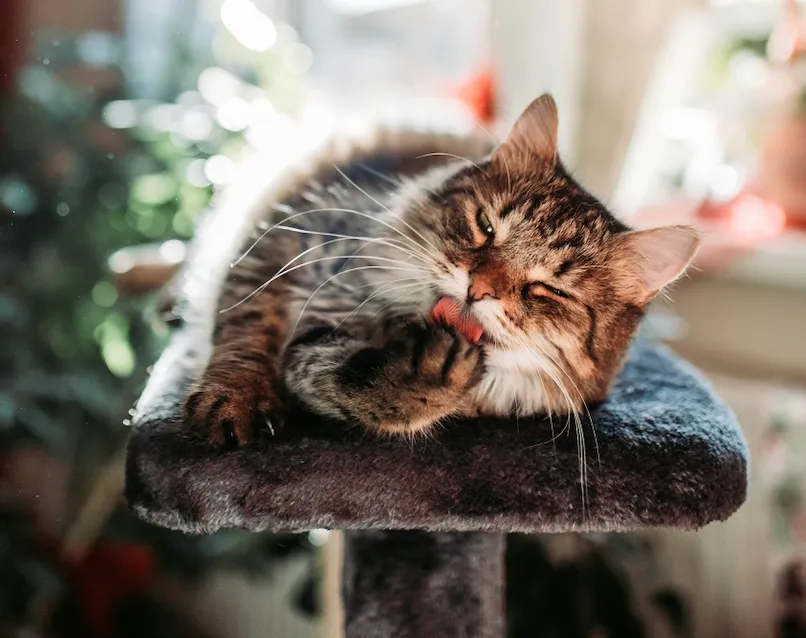
The House Cat: A Life of Safety and Security
Today, keeping pets exclusively indoors is the most common way to care for them in many countries. The biggest advantage is undoubtedly protection from the many dangers of the outside world.
Benefits for Cats and Their Health
Indoor cats have a significantly higher life expectancy. With good care and species-appropriate living conditions at home, indoor cats live on average nearly twice as long (12 to 20 years) as outdoor cats. This is primarily because they are protected from the leading causes of death among outdoor cats: traffic accidents, attacks by predators (such as foxes or birds of prey), infectious diseases (such as FIV or FeLV), and accidental poisoning from antifreeze or poisoned bait.
Challenges for the Owner
The owner bears sole responsibility for ensuring the animal’s physical and mental well-being. A house cat lives in a human-created environment that is often lacking in stimulation. Without targeted activities, the cat is at risk of boredom, obesity, and behavioral problems. A lack of mental stimulation can lead to stress, destructive behavior toward furniture, or excessive meowing.
Tips for Keeping Pets in a Way That Meets Their Natural Needs
To turn the apartment into an “adventure playground,” pet owners should keep the following points in mind:
- Vertical Space: Cats need places to climb, such as tall scratching posts or wall shelves (“catwalks”), to keep an eye on their surroundings.
- Separate Areas: Feeding, drinking, and sleeping areas, as well as the litter box, should be kept separate from one another.
- Interaction: At least 30 to 60 minutes should be set aside each day for active play and social interaction.
- Safety: Windows must be secured (tilt-window guards), and poisonous houseplants must be removed.
- Nutrition: Cats are natural hunters and normally have to work to get their food. Various feeding methods, such as activity feeding, help keep your cat engaged and provide optimal mental stimulation.
At Home Outdoors: Life as a Free-Range Cat
Being allowed outside best suits a cat’s natural instincts as a stalker. Cats that are allowed outside can fully act on their primal instincts.
Our tip:As a Calingo customer, you’ll receive a free GPS & health tracker from Tractive. This way, you’ll always know where your furry friend is and how they’re doing. With our “Prevention” supplemental coverage, we’ll even cover up to CHF per year for your Tractive subscription.
Benefits for Well-Being
Outdoors, cats are constantly exposed to a flood of stimuli that sharpens their senses. They can hunt, mark their territory, climb, and socialize with other cats. Cats that go outdoors are usually in better physical shape, are less likely to be overweight, and often seem more well-adjusted than cats that stay indoors exclusively.
Mental Stimulation and Variety
Outside, there are always new stimuli: smells, sounds, other animals, changing weather conditions, and different environments. This variety provides mental stimulation for cats and can help prevent boredom. For curious and confident cats, therefore, being able to go outside can make an important contribution to their well-being.
More Peace and Quiet at Home
Since outdoor cats burn off some of their energy outside, they are often calmer and more balanced at home. This can be particularly pleasant for owners, as the cat is less dependent on constant indoor stimulation.
A safe environment remains important
To ensure that outdoor time is as positive an experience as possible, proper preparation is essential: a gradual adjustment period, microchipping, regular vaccinations, parasite prevention, and, ideally, a safe environment with little traffic. This allows you to combine your cat’s freedom with responsible protection.
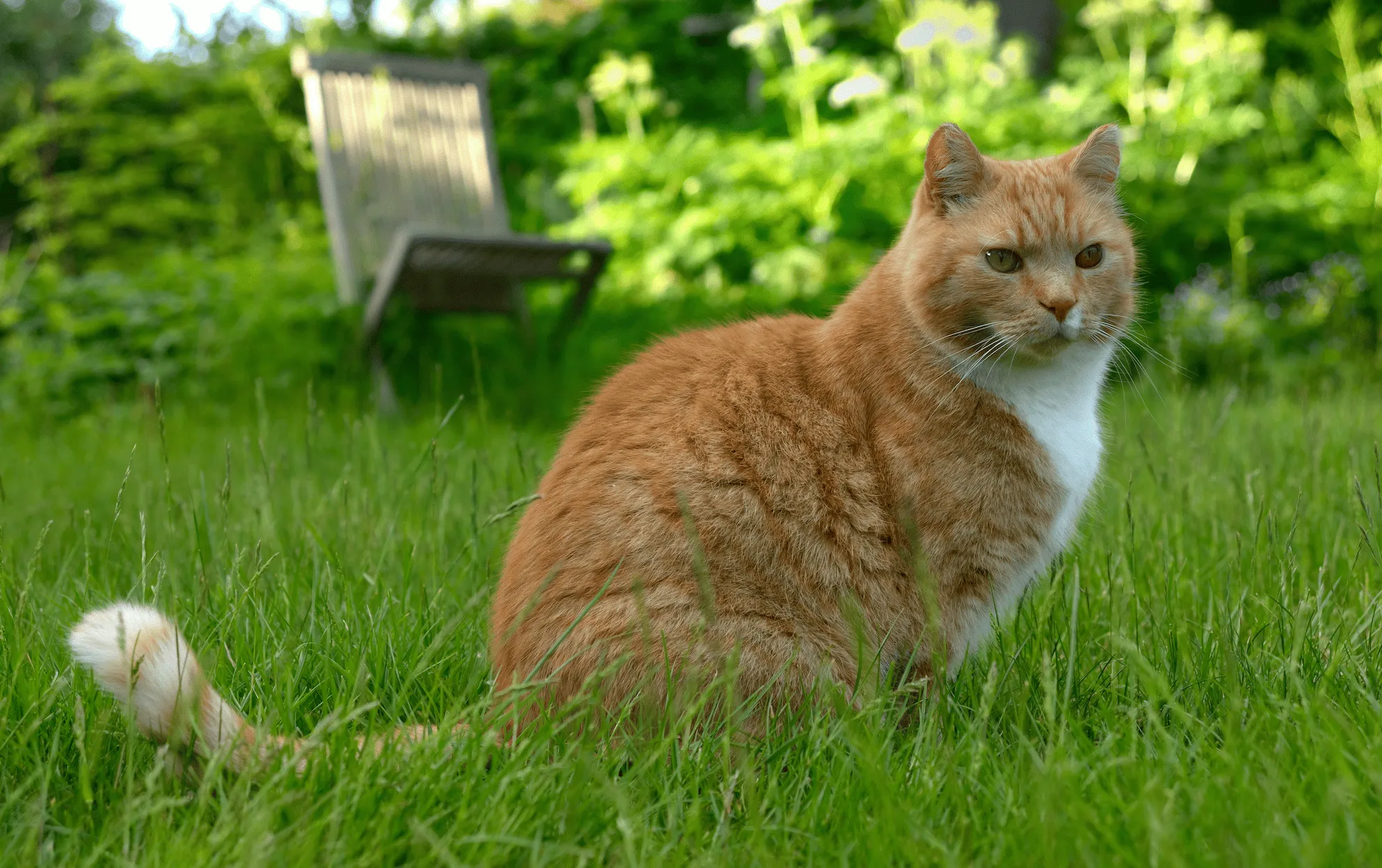
A Comparison of Health Aspects
The choice of housing system has a significant impact on specific disease patterns.
Our tip: Are you unsure whether your cat has health issues, or would you like a second opinion? As a Calingo customer, you can take advantage of a free telemedicine consultation —around the clock, 24/7. This way, you can get quick and easy support for you and your pet, no matter what time of day or night it is.
FLUTD and Cystitis
FLUTD (Feline Lower Urinary Tract Disease), a condition affecting the lower urinary tract, occurs five times more frequently in indoor cats than in outdoor cats. This is often attributed to a lack of exercise, obesity, and a diet consisting of dry food. In particular, idiopathic cystitis (IC), a sterile bladder infection, is closely linked to stress, which can arise in a low-stimulus or conflict-prone home environment (e.g., a multi-cat household).
Parasites and Prevention
Outdoor cats require a much more intensive health care regimen. Vaccinations against rabies and feline leukemia, as well as regular deworming and treatments for ticks and fleas, are mandatory. While indoor cats should also be vaccinated (against feline rhinotracheitis and feline panleukopenia), since pathogens can be brought into the home on shoes, the risk is lower.
Overweight and Behavioral Problems
Indoor cats often get less exercise in their daily lives and rely more heavily on their owners to keep them entertained. Without play, opportunities to climb, or food-based incentives, they may become bored, overweight, or exhibit behavioral issues such as restlessness, scratching furniture, or excessive meowing.
Outdoor cats usually get more exercise and natural stimulation. They explore their territory, climb, and hunt, which keeps them physically and mentally active. However, even outdoor cats can become overweight—for example, if they are not very active, have been spayed or neutered, or are being fed by neighbors.
The Happy Medium: Hybrid Models
If you want to combine the security of your home with the allure of the outside world, you can opt for a compromise:
- Secured balcony or garden: An area secured with nets or special fences allows your pet to enjoy fresh air without the risk of running away or having an accident.
- Catios: Secure outdoor enclosures (catios) that are accessible through a cat flap or a window provide a protected space for observing nature.
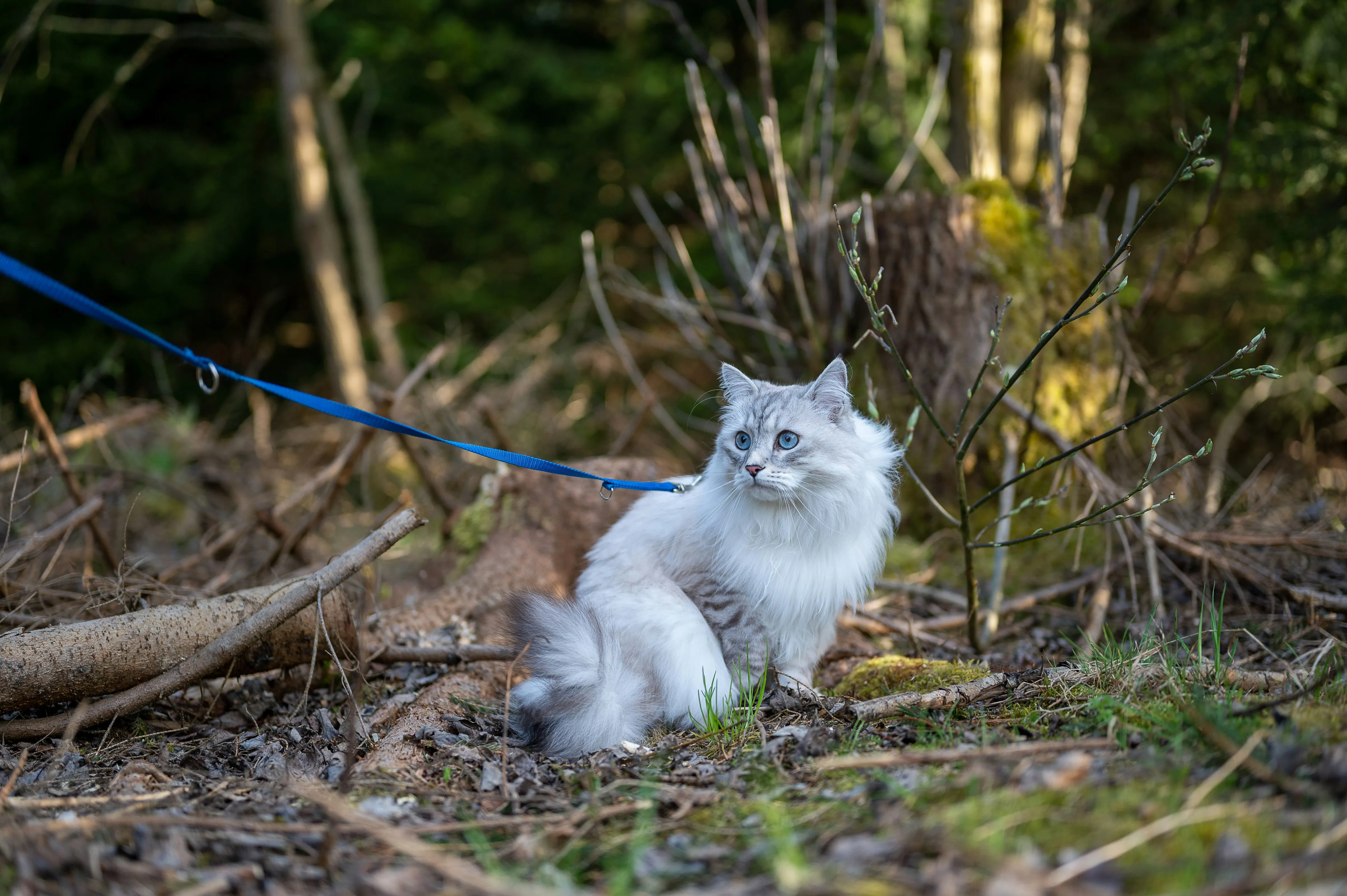
- Leash training: Some cats can get used to wearing a harness and enjoy controlled walks with their owners.
- Tractive GPS Tracker: Track your cat without limits and explore its territory. Set up virtual fences to keep it safe.
Conclusion: A personal decision
The decision depends on where you live, your schedule, and the cat’s personality. A cat living on the third floor of a building on a busy main street should not be allowed to roam freely outdoors. Conversely, it’s almost impossible to permanently confine a former stray or a die-hard outdoor cat to an apartment.
Certain breeds, such as Ragdolls or Persians, are considered calmer and better suited for apartment living, while active breeds like Bengals or Maine Coons often require more space and stimulation. Most importantly, however, no matter what you decide, you must ensure your cat has a species-appropriate life. An indoor cat needs your time and creativity, while an outdoor cat needs your protection through vaccinations, spaying or neutering, and microchipping.
Cat Insurance: A Smart Choice for Any Type of Cat Ownership
Whether your cat isan indoor or outdoor cat, cat insurance can be a good idea in either case. Outdoor cats are more frequently exposed to the risk of accidents and injuries, while indoor cats tend to get sick more often.Calingo Cat Insurance protects against unexpectedly high veterinary costs and gives cat owners the peace of mind that they can provide the best possible medical care in an emergency.

Yes, generally speaking. Indoor cats tend to get less exercise in their daily lives because they have less space, fewer stimuli, and fewer natural opportunities for activity. If, at the same time, they are fed too much or food that is too high in calories, they can quickly develop a calorie surplus. Outdoor cats usually get more exercise through climbing, exploring, running, and patrolling their territory, which can reduce the risk of obesity. Nevertheless, even outdoor cats aren’t automatically slim, especially if they’re spayed or neutered, aren’t very active, or are also being fed by neighbors.
A good initial check is the rib and waist test. The ribs should be noticeable with light pressure, without protruding too much. When viewed from above, a slight waist should be visible behind the ribs. From the side, a small “baby belly” is normal, but a noticeably sagging belly or a round body shape may indicate excess weight. If in doubt, you should always discuss your cat’s ideal weight with your veterinarian, as breed, body type, and age all play a role.
Indoor cats need specific physical and mental stimulation. This includes daily play sessions, opportunities to climb, quiet spots, scratching posts, elevated resting areas, and feeding methods such as activity feeding or food games. This way, the cat has to “earn” some of its food, which more closely mimics its natural hunting behavior. Variety is especially important, as boredom in indoor cats can lead to behavioral issues such as nighttime restlessness, scratching furniture, or excessive meowing.
Not automatically. Outdoor access offers many benefits: more exercise, more stimulation, natural activities, and the opportunity to engage more fully in species-appropriate behavior. For curious, active, and confident cats, this can be very enriching. At the same time, proper care depends not only on whether a cat is “indoors or outdoors,” but also on the cat’s personality, the neighborhood, the safety of the surroundings, and the care provided by humans. Some cats do very well as indoor cats if their home is designed with their needs in mind.
Yes, especially if they don’t have enough stimulation, places to retreat, or social interaction. Common signs can include excessive meowing, restlessness, aggression, scratching furniture, litter box accidents, or overeating. However, that doesn’t mean that keeping cats indoors is automatically problematic. With plenty of playtime, structure, scratching and climbing opportunities, food-based games, and a safe balcony or windowsill, many indoor cats can live very happily. The key is ensuring that their natural needs are met even inside the home.



Fall Hikes with Your Dog: Our Most Beautiful Trails in Switzerland
Pumpkin for Your Furry Friend: A Healthy Snack?
Back from Vacation: Recognizing Separation Anxiety in Your Pet
From pet parents for pet parents
The health of your furry nose is our job


