

Tick Prevention in the Fall: Why Tick Season Isn't Over Yet
As soon as the weather starts to cool down, many people think: “Tick season is over—time to breathe a sigh of relief.” That’s a misconception. As long as temperatures stay above 7°C, ticks are still active—unfortunately, often well into November. We’ll explain why that’s the case, what risks this poses to dogs and cats, and how you can best protect them now.
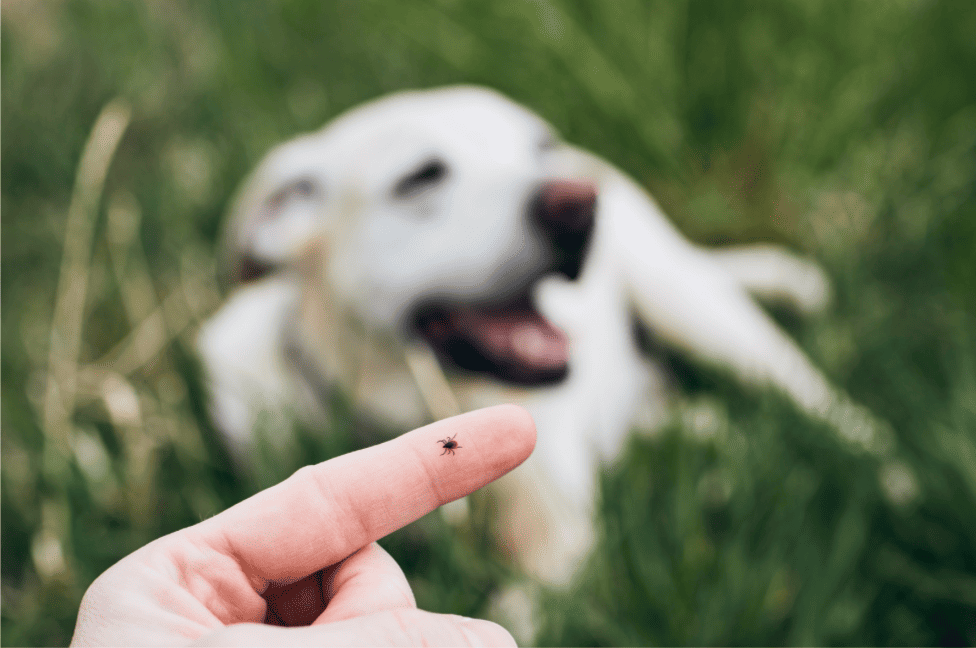
Walks are becoming more leisurely, the air is getting cooler, and many pet owners are now letting their guard down when it comes to tick prevention. That’s understandable, but unfortunately not a good idea. Ticks are tougher than you might think, and fall has its own unique challenges.
Ticks don't take a break until there's a real frost
According to the Federal Office of Public Health, the risk of tick bites increases again in the fall. As long as daytime temperatures remain above 7°C, ticks are active. In mild years, active ticks have even been spotted in Switzerland as late as December. Fall, with its damp, mild weather, is therefore anything but unpleasant for them—quite the opposite.
Why fall is actually particularly treacherous
Unlike in the height of summer, when many pet owners automatically think about tick protection, awareness noticeably wanes in the fall. That’s exactly what makes this time of year dangerous: The ticks are still around, but protection is often no longer in place. On top of that, tall, damp fall leaves and dense underbrush provide ideal conditions for ticks, which wait there for a host.
What a tick bite can mean for your dog or cat
A tick bite isn't just unpleasant—it can also transmit diseases. The most well-known disease in dogs is Lyme disease, which can cause fever and painful joint inflammation. Anaplasmosis also occurs and often manifests as lethargy and loss of appetite.
Although cats are less likely to contract these diseases, outdoor cats are not entirely off the hook: They spend a lot of time in tall grass and underbrush—exactly where ticks tend to congregate—and are therefore exposed to tick bites much more frequently than indoor-only cats. As the number of bites increases, so does the risk that the bite site will become inflamed or that one of the rarer—but still possible—infections will be transmitted. In kittens or older, weakened cats, such an additional irritant can place a greater strain on the immune system than it would in a robust, adult cat.
Treatment for Lyme disease or anaplasmosis can be expensive, depending on the complexity of the case. Calingo's pet insurance can help you cover those costs.
Even indoor cats aren't automatically safe
If you think “tick risk” applies only to outdoor cats, you might want to think again: Even indoor-only cats with access to a balcony or yard can pick up ticks. Potted plants, greenery on the balcony, or even a brief excursion into the bushes are enough for a tick to latch onto their fur. Even if your cat never goes all the way outside, it’s still a good idea to give it a quick check after every time it’s been out in the fresh air.
How long does it take for symptoms to appear?
The most insidious thing about tick-borne diseases is that symptoms often do not appear immediately, but only days or even several weeks after the bite. That is exactly why it’s important to remain vigilant even when you’ve almost forgotten about the actual tick bite.
Tick Prevention in the Fall: Here Are Some Methods
Reliable protection usually consists of a combination of several measures. Spot-on treatments or tablets are typically effective for several weeks and can be easily incorporated into your daily routine. It’s important not to simply stop using them now that it’s fall, just because the weather is getting cooler. Tick collars are also popular, but for outdoor cats, you should definitely make sure the collar has a safety clasp so that it releases securely if the cat gets caught on something.

How often should you replace the protection?
Many spot-on treatments are effective for four to eight weeks, depending on the product. It’s best to make a note of the date of your last application—for example, in a calendar or as a reminder on your phone—so you don’t lose track of it, even during the slower season.
Even with protection: Regular checks are still important

Even if your dog is treated with a chemical repellent, it’s still a good idea to give them a quick check after every walk or time spent outdoors—especially around the ears, armpits, belly, and between the toes. That’s where ticks like to hide. While checking your dog’s thick winter coat can be a bit more tedious, it’s just as important as it is in the summer.
The best supplement for your pet depends on its age, health, and lifestyle. It's best to discuss this with your veterinarian.
Ticks in Puppies and Older Animals
Not every animal tolerates every medication equally well. For puppies and young cats, there is often a minimum age or minimum weight requirement before certain spot-on treatments or tablets can be administered. For older animals with pre-existing conditions, such as liver or kidney disease, the choice of the appropriate treatment should also be made in consultation with the veterinarian, as not every treatment is equally suitable for every animal.
Keep an eye on your apartment, too
Ticks aren't just a problem outdoors: If a tick detaches from your pet's fur, it can certainly survive indoors and bite again before it's discovered. If you regularly check your dog or cat's fur after a walk, before they lie down on the sofa, you can significantly reduce this risk.
Found a tick? Don't panic
The most important thing is to stay calm: The shorter the time the tick spends feeding, the lower the risk of transmission, so it’s best to remove it as quickly as possible. Using tick tweezers or a tick removal card, grasp the tick close to the skin and pull it straight out without twisting. In the days that follow, it’s a good idea to check the bite site. If you notice redness, swelling, or if your furry friend is acting unusually, you should have a veterinarian examine them.
Our tip: If you're unsure whether a veterinary examination is necessary, as a Calingo customer, you have access to our free telemedicine consultation 24/7.
Fall isn't a break
So fall doesn’t have to mean taking a break from the fight against ticks. On the contrary, now is precisely the time to be vigilant. With the right protection and regular checks, you can still enjoy the golden season carefree, without having to worry constantly. A little routine when checking for ticks and reliable protection are usually enough to make ticks a minor concern for both of you.
And if you ever need more than just one checkup: With Calingo, you're financially covered for vet visits related to tick bites and other unexpected issues.

Ticks become active as soon as daytime temperatures rise above 7°C. Depending on weather conditions, this can occur from February through December. A single cool day is not enough to drive them away.
Yes. As long as temperatures remain mild, the risk remains. So don't remove your usual protective cover at the first cool weekend—wait until there's actually a sustained period of frost.
Yes, even though the risk is lower than for cats that go outdoors all the time. Even brief contact with potted plants or greenery on the balcony is enough for a tick to latch onto their fur.
This can take anywhere from a few days to several weeks. Therefore, continue to monitor your pet even if the actual bite occurred some time ago.
Don't panic—this happens occasionally and is usually nothing to worry about; the rest will often fall off on its own. Keep an eye on the area over the next few days for any redness or swelling, and if in doubt, consult your veterinarian.


Senior Pets in the Fall: How to Recognize Joint Pain in Dogs and Cats

Ticks, fleas, and worms: Everything you need to know about parasites

Vaccinating my cat: what you should look out for
From pet parents for pet parents
The health of your furry nose is our job


