

Back from Vacation: Recognizing Separation Anxiety in Your Pet
It’s been a while since your first day back at work, and your furry friend is clearly having a hard time adjusting? It’s not too late to take action. We’ll show you what you can do now if your dog or cat is struggling to be alone after the holidays and needs help adjusting.

Vacation is over, and the heat waves are slowly subsiding. For weeks, someone was there: long walks, lots of cuddles, constant company. And now? Back to the office, back to school, back to the usual routine. For us humans, that’s quite an adjustment; for dogs and cats, it can be even more of a challenge.
Why Change Can Be So Hard for Animals
Dogs and cats love routines. Weeks of constant togetherness create a new normal, and this often changes quite abruptly on the first day back at work. The result can be genuine separation anxiety, in dogs as well as in cats, even if the latter tend to show it in a slightly more subtle way.
How can you tell if your pet is stressed?
With dogs, this often manifests as barking or whining as soon as the front door closes, restlessness, or chewed-up objects—even though that used to be a thing of the past. Cats, on the other hand, tend to become more withdrawn, groom themselves excessively, avoid the litter box, or lose their appetite. Does this sound familiar? If so, it’s worth taking a closer look.
Our tip: As a Calingo customer, you’ll receive a free GPS & Health Tracker from Tractive. This lets you keep an eye on your four-legged friend’s health at all times, and thanks to smart health monitoring, you’ll always know how your pet is doing. With our “Prevention” supplemental coverage, we’ll even cover up to CHF 200 per year for your Tractive subscription.
Here's How to Help Your Pet Right Now, Even If Your Daily Routine Is Already in Full Swing
The vacation is over, and the transition has already taken place. But that’s no reason to worry—it’s never too late to turn things around. One thing is especially important: staying calm and consistent when coming and going. Grand farewell scenes or an effusive “I missed you so much!” upon your return tend to fuel the excitement rather than calm it down. A brief, casual “See you later” is more than enough.
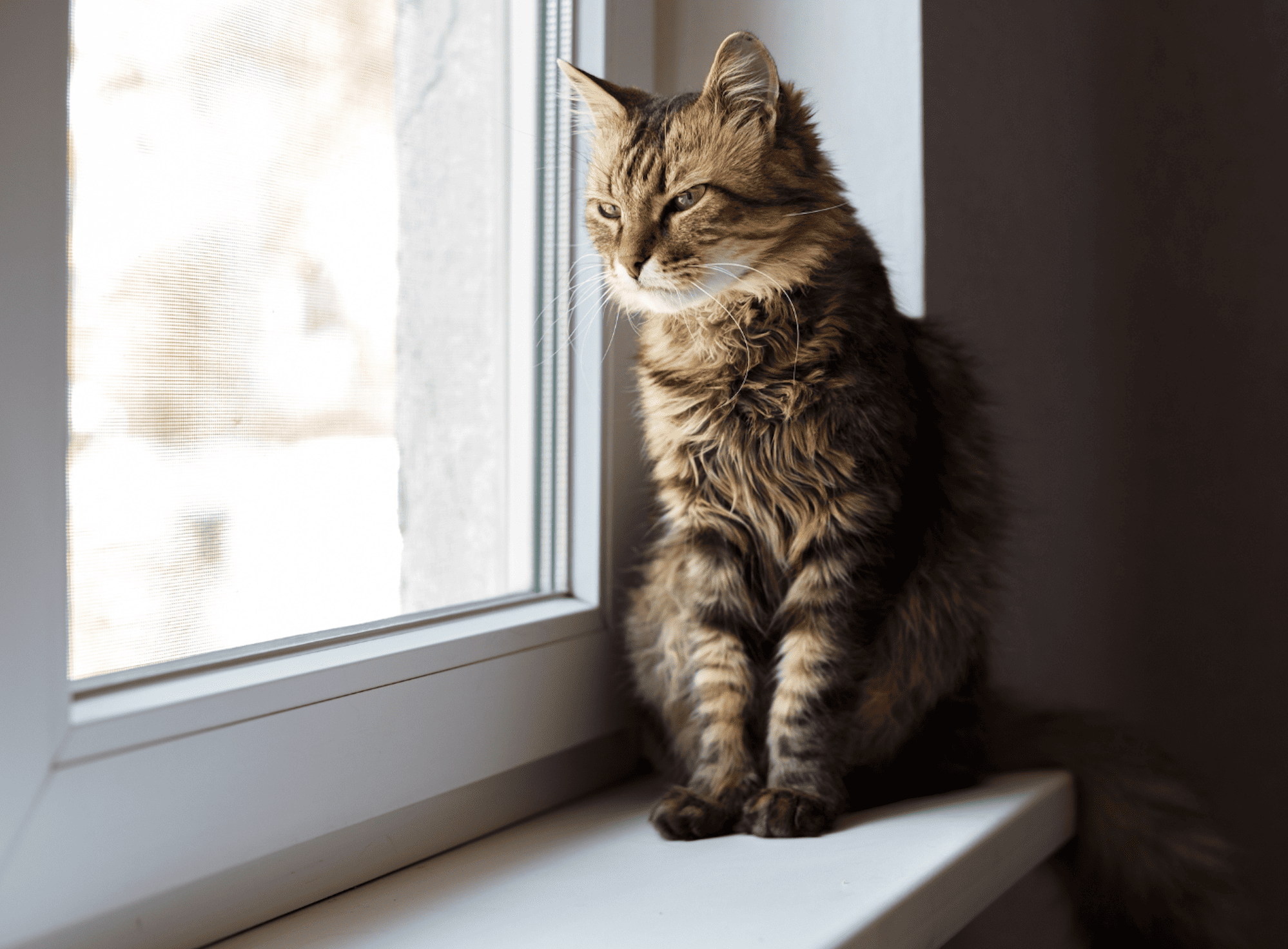
If your furry friend still has a hard time coping with your absence, it helps to practice leaving for shorter periods: Deliberately leave the house for a few minutes—even on weekends—and gradually increase the duration. This way, your dog or cat will learn that you’ll always come back. A chew toy, a snuffle mat, or a puzzle toy can help pass the time productively and distract them from being alone. In our article, “Activity Feeding—How I Feed My Cat in a Species-Appropriate Way,” we’ll show you how to cleverly use your cat’s food as a form of enrichment.
Fixed daily routines also provide a sense of security: A long walk or a short play session before you leave helps burn off excess energy and makes it easier for your pet to be alone afterward. A piece of clothing with your scent in their favorite spot can also have a calming effect. And even if your day is tightly scheduled, make a conscious effort to set aside time for undivided attention—for example, right after work. This reassures your furry friend that nothing has changed in your relationship, even if daily life looks different now.
When You Should Seek Support
If the stress persists for weeks despite your pet gradually getting used to it—or if it actually gets worse—it’s time to talk to your veterinarian or a behaviorist. If left untreated, persistent separation anxiety can otherwise develop into a real problem.
With a little patience and a few clear routines, the two of you will soon find your way back into your shared rhythm.
Our tip: Not sure if your pet’s behavior is normal? As a Calingo customer, you can take advantage of a free telemedicine consultation —around the clock, 24/7. This way, you can get quick and easy support for you and your pet, no matter what time of day or night it is.

It varies from animal to animal. Some get the hang of it after just a few days, while others take a little longer. With a consistent routine and a little patience, it usually works out faster than you think.
Not necessarily. Some furry friends enjoy having company, but for others, the stress of separation is mainly tied to you as their primary caregiver, so unfortunately, getting a second pet won’t help much.
You should never make this decision on your own. It's best to consult your veterinarian to determine whether herbal or prescription options are appropriate.


Fall Hikes with Your Dog: Our Most Beautiful Trails in Switzerland
Pumpkin for Your Furry Friend: A Healthy Snack?
A puppy is coming home. What do I need to keep in mind?
From pet parents for pet parents
The health of your furry nose is our job


