

Pumpkin for Your Furry Friend: A Healthy Snack?
Pumpkin season is treat season. Does that go for our furry friends, too? We'll show you whether and how you can safely treat your dog and cat to pumpkin, what you need to keep in mind, and provide you with simple recipe ideas to try at home.
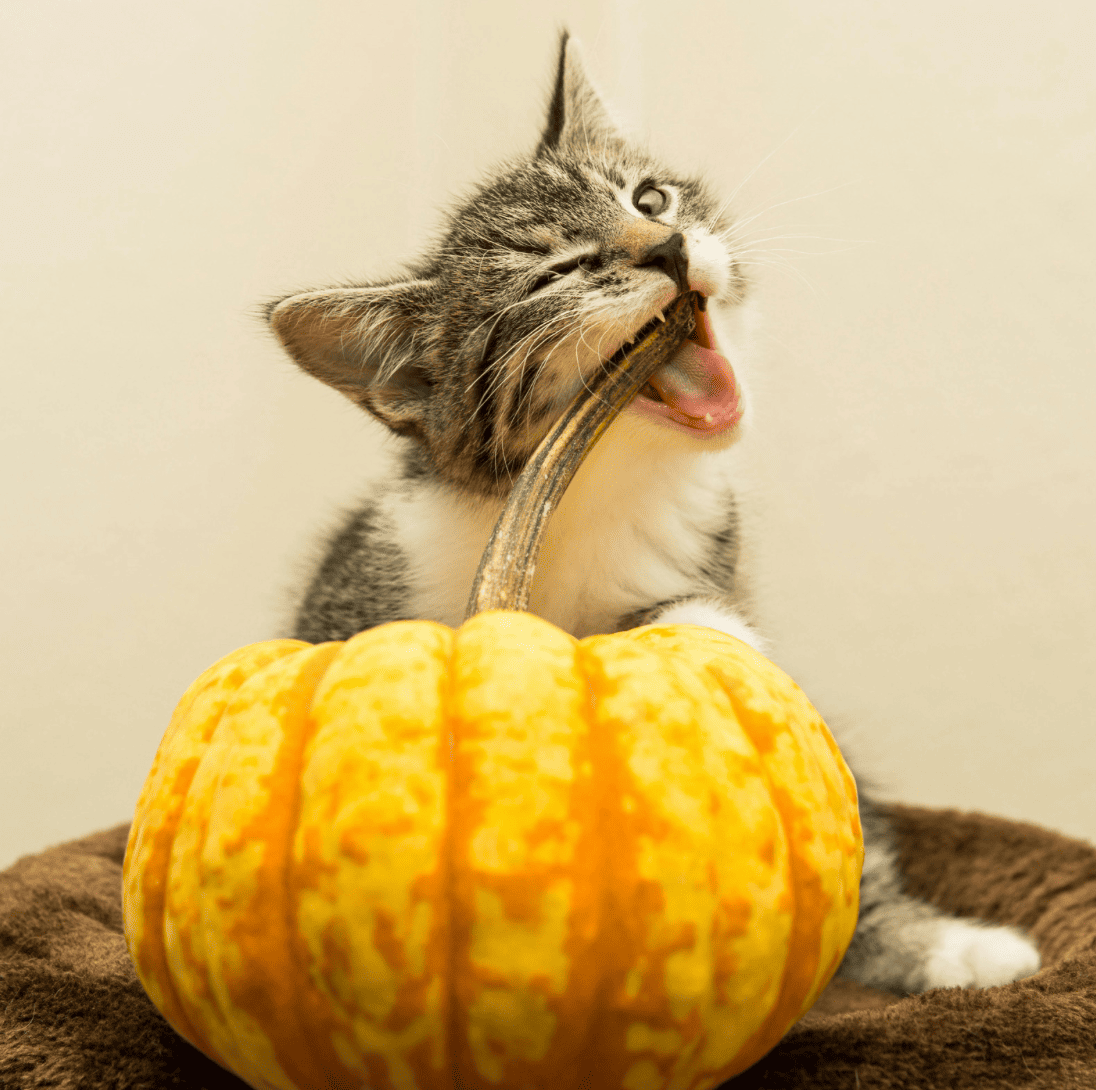
Can my dog eat pumpkin?
Hardly any vegetable symbolizes fall quite like the pumpkin. Whether as soup, a decoration, or a snack, this orange fruit is in season right now. No wonder so many pet owners are wondering: Can my dog or cat have a taste, too?
First, the good news: Raw, untreated pumpkin is generally safe for dogs and cats and is even healthy. It contains plenty of fiber, vitamins such as vitamins A and C, and important minerals such as potassium. The beta-carotene it contains is particularly beneficial for the skin, coat, and immune system.
However, not every squash is equally suitable for this purpose. Edible squashes such as Hokkaido, butternut, or nutmeg squash are the right choice. On the other hand, you should not give your pet ornamental squashes—the typical decorative ones found at home improvement stores or garden centers. They contain substances called cucurbitacins, which are bitter compounds that can cause gastrointestinal problems.
How much pumpkin is healthy?
As with any new food, the key is moderation. Pumpkin should always be just a supplement to your pet’s regular diet—never a replacement. As a general rule of thumb, dogs should be given one to two tablespoons of cooked, pureed pumpkin per meal, depending on their size; for cats, one teaspoon is often enough. It’s best to introduce pumpkin gradually and observe how your pet reacts to it.
Raw pumpkin is safe, but harder to digest. When steamed or boiled—without spices, salt, or oil—pumpkin is easier for most animals to digest. Pumpkin seeds also have a good reputation, in part because of their zinc and unsaturated fatty acid content. It’s best to give them to your pet shelled, unsalted, and lightly crushed or ground so they can be digested more easily and don’t put unnecessary strain on the digestive system.
True pumpkin allergies are rare in dogs and cats, but not impossible. If your pet shows signs of itching, skin redness, or digestive issues after the first serving that go beyond a mild initial reaction, stop giving it for the time being and see if the symptoms improve.
Can pumpkin actually help with stomach problems?
Many veterinarians actually recommend pumpkin as a gentle remedy for mild digestive problems. The dietary fiber it contains can help regulate both mild diarrhea and constipation, as it binds water and supports bowel function. It’s important to feed your pet plain, unseasoned pumpkin—not store-bought pumpkin soup containing onions, garlic, or cream—since these ingredients are toxic to dogs and cats or difficult for them to digest.
Pumpkin Recipes for Your Four-Legged Friend
Pumpkin Snack for Dogs
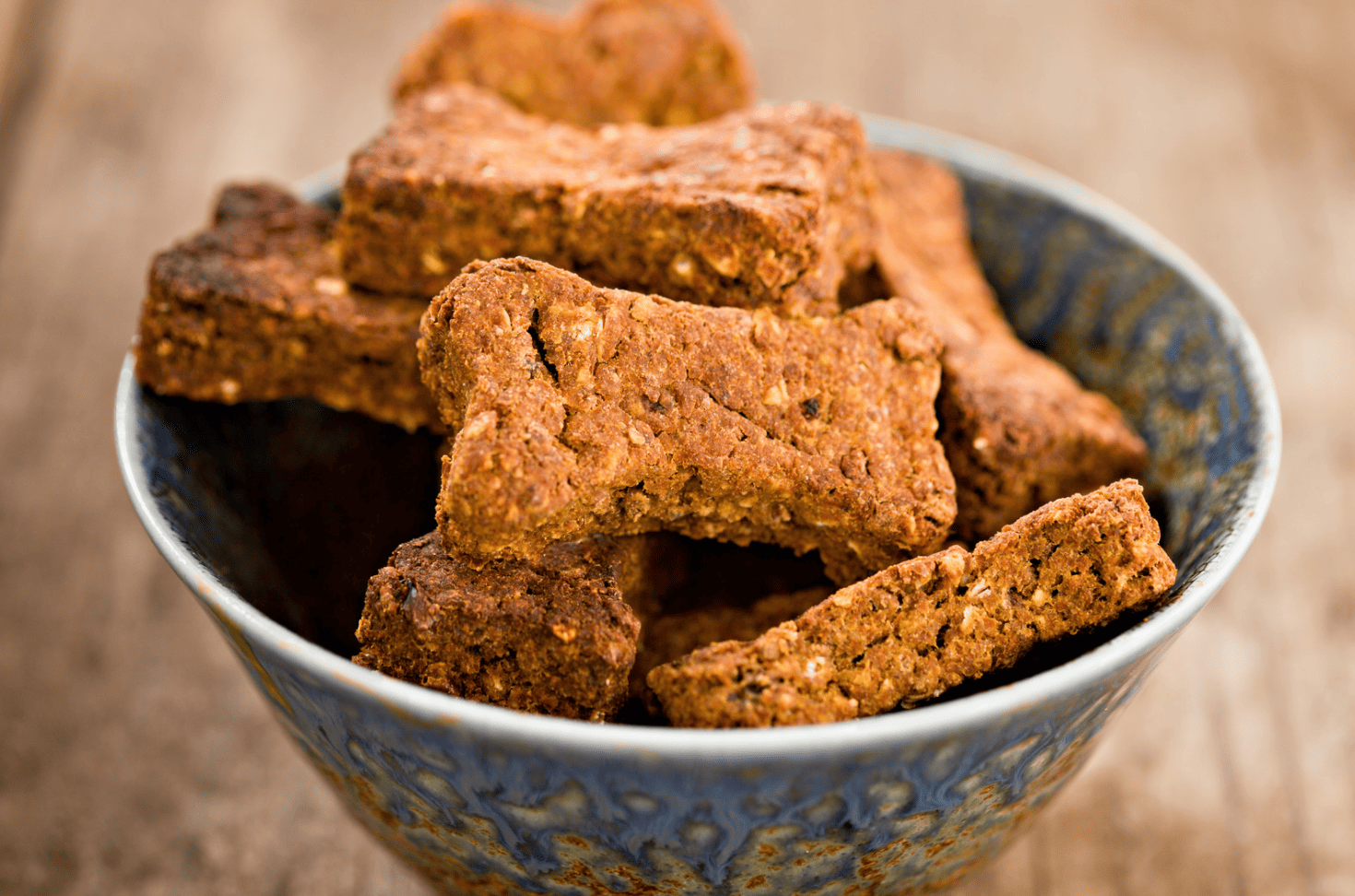
You'll need:
- 200 g Hokkaido squash (peeled, seeded)
- 1 egg
- 100 g rolled oats
Coarsely grate or puree the pumpkin, then knead it with the egg and rolled oats to form a firm dough. Knead small portions into a firm dough. Shape into small portions and bake in the oven at 160°C for about 20 to 25 minutes, until the treats are firm. Let them cool completely before giving them to your dog. The treats can easily be stored in the refrigerator for several days.
Pumpkin Topping for Cats
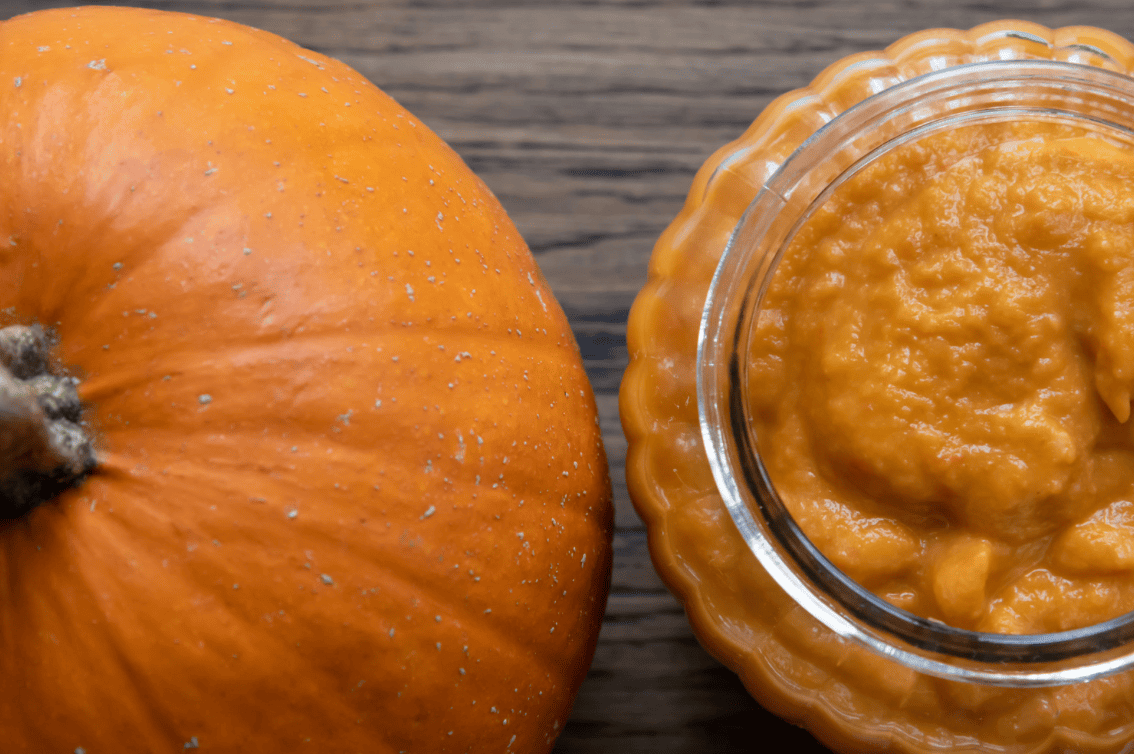
You'll need:
- 2 tablespoons of cooked, pureed pumpkin (without spices)
- some lukewarm water
Mash the cooked pumpkin with a little water until it forms a creamy puree, then simply mix it into your cat’s usual wet food. This gives your cat a small, healthy boost of fiber that’s also gentle on sensitive stomachs.
Pumpkin Ice Cream for Warm Fall Days
You'll need:
- 3 tablespoons of cooked, pureed pumpkin
- 2 tablespoons of plain yogurt with no additives (it's best to leave this out for your cat)
Mix the pumpkin and yogurt, pour the mixture into a small ice cube tray or a Kong, and freeze for several hours. A refreshing, healthy snack that will keep your furry friend busy for a while.
What You Should Keep in Mind
If your furry friend has any pre-existing conditions, such as diabetes or a sensitive gastrointestinal tract, it’s best to check with your veterinarian before introducing new foods. And even though pumpkin is generally healthy, watch to see how your pet tolerates it after the first serving, and increase the amount only gradually.
Our tip: If you're unsure whether a new food is suitable for your furry friend, as a Calingo customer, you can take advantage of our free telemedicine consultation 24/7.
Conclusion: Pumpkin is a great addition to your diet
With the right varieties, the right amount, and no spices, pumpkin is a healthy, seasonal snack for dogs and cats. Why not try out our recipes this week? I bet your furry friend will love them! And if not every snack is a hit the first time around—after all, pets have different preferences—it’s usually worth giving it another try with a slightly different consistency.
What pumpkin recipe are you and your furry friend planning to make this fall?

Edible squash varieties such as Hokkaido, butternut, or nutmeg squash are the right choice. You should not give your pet ornamental squash—that is, the typical decorative squash found at home improvement stores or garden centers.
Raw pumpkin is safe, but it is harder to digest. When steamed or boiled—without spices, salt, or oil—pumpkin is easier for most animals to digest.
Pumpkin seeds have a good reputation, in part because of their zinc and unsaturated fatty acid content. It’s best to give them to your furry friend shelled, unsalted, and slightly crushed or ground so they’re easier to digest.
If you don't want to cook fresh pumpkin every time, feel free to use precooked pumpkin (often in the form of puree). Important: Be sure to check that it is pure pumpkin puree with no additives, sugar, or spices. It's always a good idea to check the ingredient list.
True pumpkin allergies are rare in dogs and cats, but they are not impossible. If your pet shows signs of itching, skin redness, or digestive issues after the first serving—symptoms that go beyond a mild initial reaction—stop feeding it pumpkin for the time being and see if the symptoms improve.


Fall Hikes with Your Dog: Our Most Beautiful Trails in Switzerland
Back from Vacation: Recognizing Separation Anxiety in Your Pet

A puppy is coming home. What do I need to keep in mind?
From pet parents for pet parents
The health of your furry nose is our job


