

A puppy is coming home. What do I need to keep in mind?
Bringing a puppy home is a life-changing event filled with anticipation. But amid the dreams of walks together and the first cuddles on the sofa, reality often sets in: sleepless nights, chewed-up table legs, and the big question: “Am I doing everything right?” This feeling of being overwhelmed is often called the “puppy blues” and is completely normal. To help ensure that the early days are as smooth as possible for you and your new companion, we’ve put together this guide. Here, you’ll learn everything you need to know about optimal preparation, the first few days, and how to set the stage for a relaxed life with your dog.
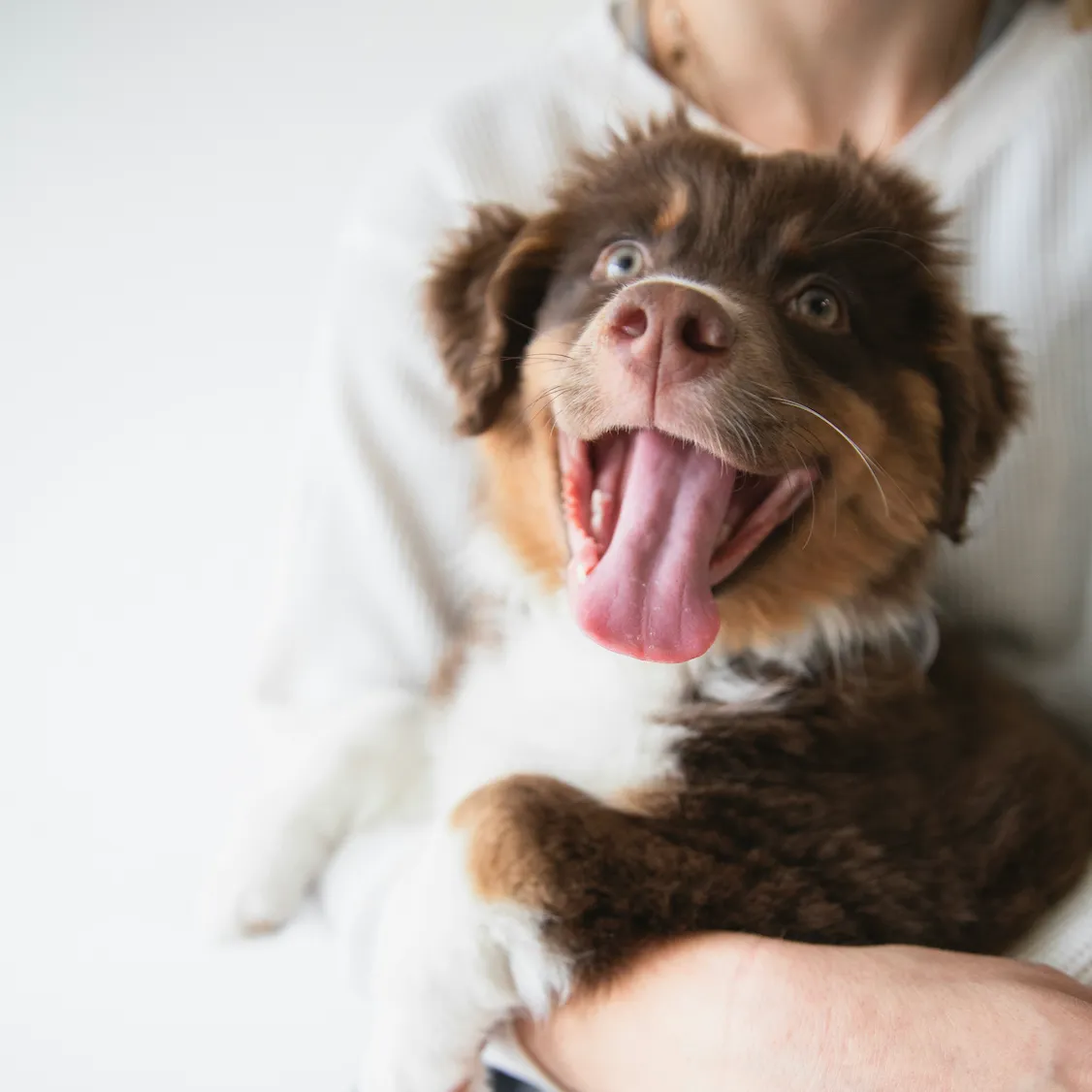
Preparing Before You Move In: What Your Home Needs
Before you bring your puppy home, make sure your home is safe and welcoming. Puppies are little explorers who discover their world with their mouths.
Checklist: Essential Supplies for Your Puppy
To make sure you don't have to rush to the nearest pet store in a panic on the first day, you should have these basic supplies on hand:
- Food and water bowls: Sturdy and easy to clean.
- Sleeping area: A basket or a soft blanket that fits the puppy's current size.
- Safety accessories: A soft puppy harness and a short leash.
- Carrier: Useful for safe travel and as a safe space at home.
- Toys: One or two puppy-safe toys for chewing and exploring.
- Hygiene Kit: Paper towels, cleaning wipes, and a neutralizing cleaner for minor accidents.
- Food: A supply of the puppy's usual food from the breeder to avoid digestive problems.
Safety and Hygiene Tips for Your Home
Making your home “puppy-proof” means looking at potential hazards from the dog’s perspective. Pay special attention to:
- Power cords: These should be kept out of reach or secured.
- Poisonous Plants: Many houseplants are toxic to dogs.
- Stairs: Safety gates on the stairs prevent dangerous falls.
- Small items: Anything that could be swallowed (medications, small items) must be stored in cabinets.
- Toxic foods: Chocolate, avocados, and grapes should never be within reach.
Tip: Be sure to familiarize yourself with the legal requirements in Switzerland, such as registering with your local municipality and import regulations, if your puppy is coming from abroad. You can find more information at the Federal Office for Customs and Border Security.
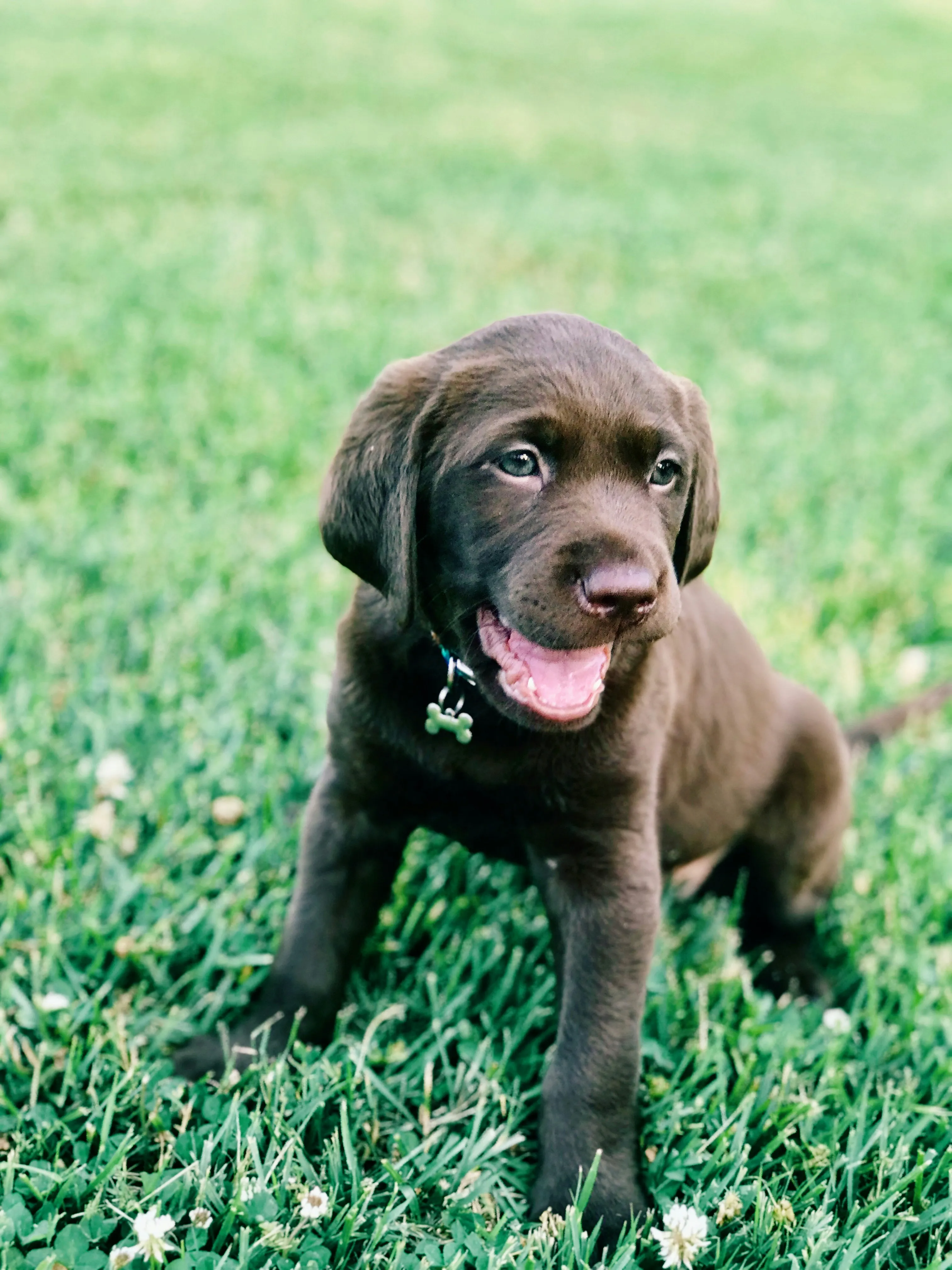
Make Moving Day Stress-Free
The big day is here! Try to pick up the puppy in the morning. That way, he’ll have the whole day to explore his new home in daylight before his first night begins.
When you get home, don’t head straight to the living room—instead, go to his designated potty area in the yard or in front of the house. Give him time to relieve himself, and praise him enthusiastically for doing so. Once inside the house, open the carrier and let him come out at his own pace. Don’t rush him—observing him is the most important thing for you to do during the first few hours.
Our tip: Is your puppy acting strangely, and are you unsure if everything is okay? As a Calingo customer, you can take advantage of a free telemedicine consultation —around the clock, 24/7. This way, you can get quick and easy support for you and your puppy, no matter what time of day or night it is.
Get to Know the Family and the Surrounding Area
It’s understandable that friends and relatives want to see the new family member right away. But during the first few days, visitors will have to wait. The puppy first needs to bond with its closest caregivers and learn that it’s safe with you.
Once the puppy has settled in (usually after a few days), you can begin to gently introduce it to the outside world. The so-called imprinting and socialization phase between the 8th and 12th weeks of life is crucial. He needs to learn that cars, bicycles, and other people are part of everyday life, but be careful not to overwhelm him with stimuli. Fifteen minutes of quiet observation in a busy place is often more effective than running around for hours.
Peace, Routine, and Safe Spaces for Your Puppy
Puppies need an incredible amount of sleep—about 18 to 20 hours a day. A common mistake is to constantly entertain the dog. If you encourage the puppy to be constantly active, you’ll end up with a “workaholic” that never settles down later on.
Establish set routines right from the start. This gives the puppy a sense of security. This also includes what are known as “ignore times.” Get him used to not always being the center of attention by spending about 20 minutes twice a day doing other things and leaving him alone in his spot—ideally with a chew stick.
Our tip:As a Calingo customer, you’ll receive a free GPS & Health Tracker from Tractive. This lets you know where your puppy is at all times (in case they ever decide to explore the world without you) and how they’re doing. With our “Prevention” supplemental coverage, we’ll even cover up to CHF per year for your Tractive subscription.
Settling In, Sleep & Potty Training
The first night is often the biggest challenge. It’s a good idea to let the puppy sleep next to your bed for the first few nights—perhaps in a crate or a tall basket. That way, he’ll feel your presence, be less afraid, and you’ll notice right away if he gets restless and needs to go outside.
House-training requires diligence. The rule of thumb is: After every nap, meal, play session, and drink, take the puppy outside immediately. Watch for signs like intense sniffing at the floor or spinning in circles. If an accident does happen: Don’t scold the puppy! That will only make him feel insecure. Clean the spot without saying a word using an enzyme cleaner or vinegar water (no ammonia) to completely neutralize the odor.
A Puppy as a Second Dog: Opportunities & Challenges
If you’re bringing home a puppy as a second dog, managing the situation is especially important. The first dog must not feel neglected. Also keep in mind that in many municipalities, the second dog is subject to higher taxes. The introduction should take place on neutral ground or in a very controlled setting so that the puppy isn’t overwhelmed by an excitable first dog, which could cause emotional distress.

10 Essential Tips for Bringing a Puppy Home
- Patience is everything: Your puppy has to learn to understand the world first. Give him the time he needs.
- Safety First: Make your home puppy-proof (cords, plants, chemicals).
- Plan ahead: Get dog insurance early on to protect yourself from high veterinary bills.
- Prioritize sleep: Make sure your puppy gets his 20 hours of rest.
- Positive reinforcement: Praise desired behavior immediately (within 1–2 seconds).
- No violence: Modern parenting is based on rewards, not on fear or pressure.
- Practice being alone in small steps: Don’t start formal training until after the adjustment period (around the 5th month), but introduce short “room separations” beforehand.
- House-training through consistency: It’s better to take your dog outside once too many times than once too few.
- Professional help: A good dog training school not only supports you with training but also provides emotional support.
- Self-care: If you’re feeling the “puppy blues,” reach out for help and talk to other pet owners—it’ll get better!
Dog Insurance for My Puppy: Why It Pays to Get It Early
A puppy is curious, playful, and sometimes ends up at the vet sooner than you think. Dog insurance protects you from unexpectedly high costs in the event of illness or accidents.
It’s especially worth getting coverage early, since young dogs usually don’t have any pre-existing conditions yet, and premiums only get more expensive as they age. With Calingo, you can insure your puppy starting at eight weeks old and benefit from comprehensive coverage as well as many additional services.

The basic supplies include food and water bowls, a suitable puppy harness with a leash, a sleeping area, toys, a travel crate, and the food the puppy is used to from the breeder.
During the first few weeks, the puppy should never be left alone. It’s a good idea to take at least two to three weeks off work so you can closely supervise the puppy’s adjustment and initial training.
Let the puppy explore the apartment at its own pace, establish a set routine, and provide it with a safe place to retreat to. Calmness and patience are more important than training during the first few days.
This varies from dog to dog. It’s important that the first dog continues to receive attention and that the puppy doesn’t constantly pester him. Controlled interactions help build a strong bond between them.


Fall Hikes with Your Dog: Our Most Beautiful Trails in Switzerland

Pumpkin for Your Furry Friend: A Healthy Snack?
Back from Vacation: Recognizing Separation Anxiety in Your Pet
From pet parents for pet parents
The health of your furry nose is our job


