

Ticks, fleas, and worms: Everything you need to know about parasites
Parasites such as fleas, ticks, mites, and worms can infest dogs and cats without being noticed and pose health risks to both animals and humans. In this blog post, you’ll learn which parasites are particularly common in Switzerland, how to recognize an infestation, and why a personalized prevention plan is so important.

The most important points at a glance
The health of our dogs and cats is very important to us. While most pet owners know that there are endo- and ectoparasites, they often underestimate how frequently animals are actually infested and what consequences a parasite infestation can have for both animals and humans. Many people think, “My pet looks healthy, so it’s not a problem,” or, “I haven’t seen any worms in the stool.” Yet many parasites live undetected in the body for a long time, are invisible to the naked eye, and often cause symptoms only late in the infection or sometimes not at all.
Ectoparasites
They are small and crawl—yet they play a significant role in the health of our dogs and cats: ectoparasites. They are most active between March and November, but due to global warming, they can also be active in winter, especially when the weather is mild. Unlike endoparasites, they do not live inside the body but directly on the skin and fur. These include ticks, fleas, mites, lice, and hair lice. In southern countries, mosquitoes, sand flies, and certain fly species also play an important role. Many of these parasites cause itching, skin changes, or allergic reactions; some can also transmit pathogens. Because an infestation often begins inconspicuously, it is easily overlooked or detected only late.
In this section, we provide an overview of the most important ectoparasites in Switzerland, explain the risks they pose, and demonstrate what effective protection looks like.
Fleas
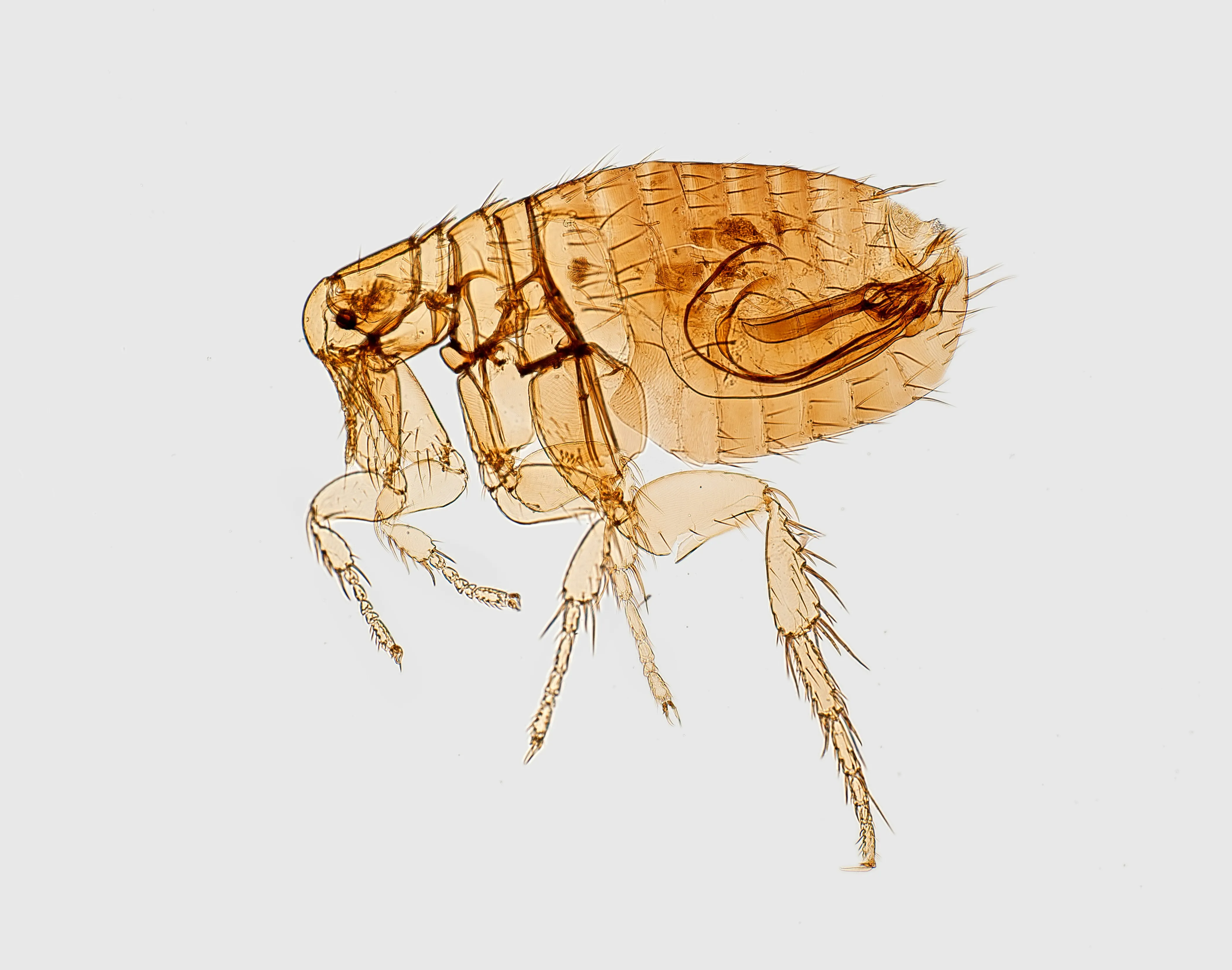
The cat flea (Ctenocephalides felis) is the most common species of flea found on dogs and cats in Europe and is responsible for the majority of flea infestations. Only a small portion of the flea population is actually on the animal—the vast majority (eggs, larvae, and pupae) live in the surrounding environment, such as carpets, baskets, or upholstery.
How a flea infestation manifests itself
Symptomsrange from mild itching to pronounced skin changes. Particularly sensitive animals develop flea allergy dermatitis (FAD), characterized by severe itching, scabs, papules, and hair loss. In young or weakened animals, a severe infestation can even lead to anemia. Additionally, fleas can transmit the tapeworm Dipylidium caninum or act as vectors for bacteria such as Bartonella henselae. Fleas are visible to the naked eye, but they move quickly and often jump away, so they are frequently difficult to spot directly. In most cases, a flea infestation is detected by flea feces, which appear as crumbly, black “sand” in the fur. If you brush these crumbs onto a damp cloth, they turn reddish—a sure sign that they are flea feces.
How to Effectively Control Fleas
Ifan infestation isdetected, all animals in the household must be treated. Since most life stages are found in the environment, thorough cleaning is essential: vacuuming, washing textiles, and, in cases of severe infestation, targeted environmental treatment. For animals at high or ongoing risk—such as outdoor cats or animals in multi-pet households—year-round prevention is recommended.
Ticks
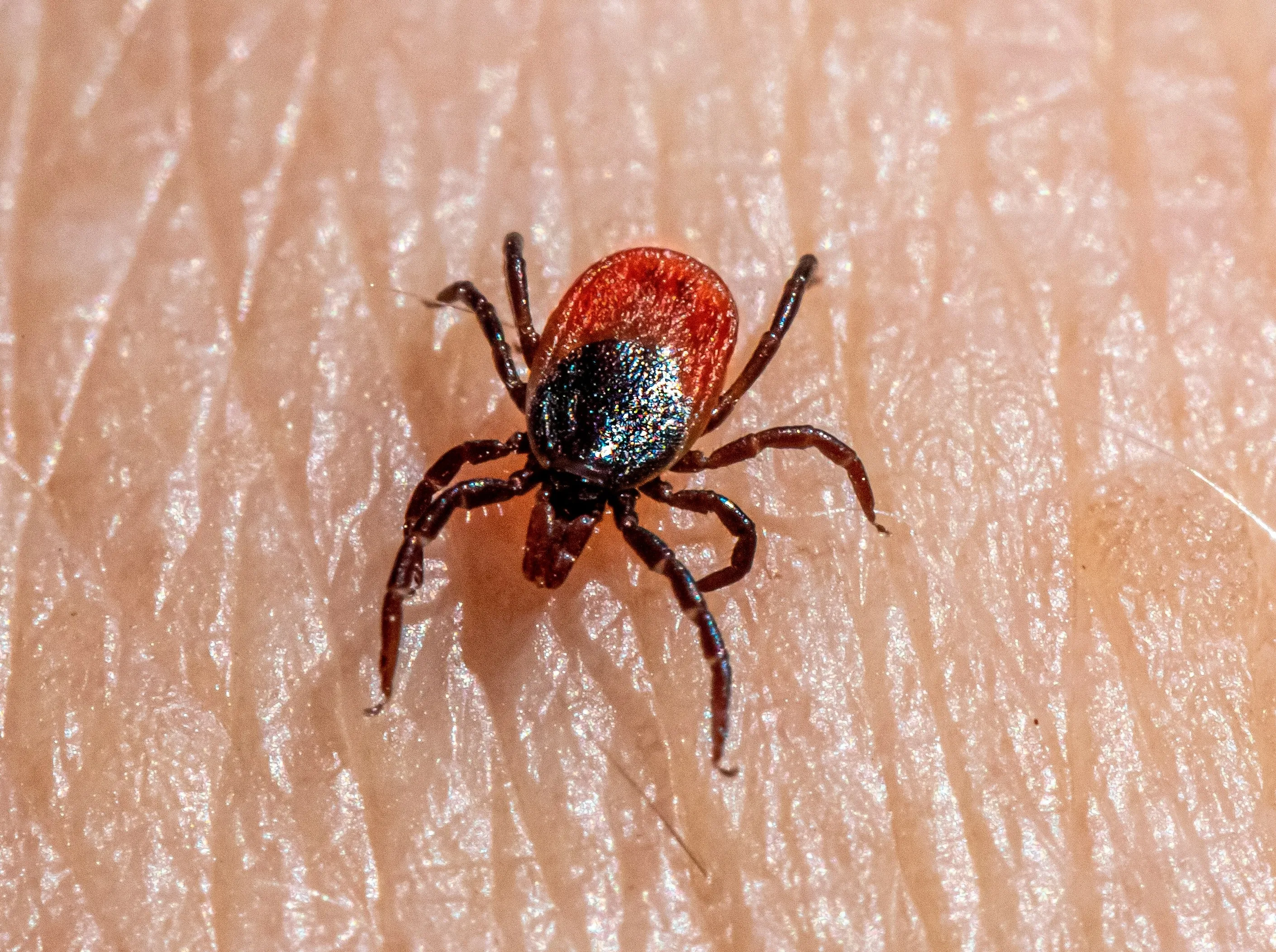
Ticks are among the most significant ectoparasites because they can transmit serious diseases. In Switzerland, Ixodes ricinus (the castor bean tick) is the most common species; regionally, Dermacentor species also play a role. Ticks can transmit pathogens such as Borrelia, Anaplasma, Ehrlichia, or Babesia, which can cause infections in dogs that are sometimes severe. It is also important to note that ticks transmit the TBE virus (tick-borne encephalitis virus). Although dogs generally contract the disease less frequently than humans, if an infection occurs, it can lead to a severe neurological disorder. Since—unlike in humans—there is no approved vaccine for dogs, consistent tick prevention plays a crucial role in minimizing the risk of infection. Cats are generally less frequently affected by vector-borne diseases. Nevertheless, hemotropic mycoplasmas can be transmitted to cats by ticks and lead to clinical problems, particularly in immunocompromised animals.
What happens when you get a tick bite?
Ticks tend to attach themselves to areas of the body with sparse hair, such as the head, ears, armpits, or groin. In addition to local skin reactions, the main risk lies in the transmission of pathogens. Since this transmission usually occurs hours after the bite, early removal is crucial. A single tick can transmit multiple pathogens at the same time.
How do I remove a tick properly?
Ticks should be grasped as close to the skin as possible using appropriate tweezers or forceps and pulled out slowly. You should definitely avoid using home remedies such as oil or alcohol, as these substances can stress the tick and cause it to release even more saliva or pathogens into the wound.
Year-round tick prevention is recommended, especially for pets that go outside regularly, as ticks are increasingly active even in winter.
Lice and nits
Lice and chiggers are less common, but they primarily affect young, elderly, or immunocompromised animals. Lice such as Linognathus setosus infest only dogs, while chiggers (Trichodectes canis, Felicola subrostratus) can affect both dogs and cats
Signs of an infestation
Typical symptoms include: severe itching, dandruff, a coat that looks unkempt, and nits firmly attached to the hair. Hair lice often cause significant irritation and skin inflammation; in severe cases, anemia may also occur.
Controlling the
Treatment with appropriate insecticides is necessary; in addition, sleeping areas, blankets, and brushes should be thoroughly cleaned. Animals in close contact should also be treated to prevent new infections.
Mites
Mites are a highly diverse group and can cause a variety of conditions—ranging from itching and inflammation to severe skin infestations. Among the most common types of mites found in dogs and cats are
Ear mites (Otodectes cynotis): Particularly common in cats. They cause severe itching, head shaking, and a dark brown, “coffee-ground-like” discharge in the ear.
Sarcoptes mites (dogs): A highly contagious, intensely itchy skin condition. It often starts in the ears, elbows, and abdomen and, if left untreated, spreads throughout the body. Humans can also be temporarily affected (pseudoscabies).
Notoedres mites (cats): These mites also cause extreme itching, usually on the head and around the edges of the ears. Without treatment, the condition can become severe.
Cheyletiella (mange mites): Recognizable as “moving dandruff.” Common in young animals or in multi-pet households. Can also be transmitted to humans.
Autumn grass mites (Neotrombicula autumnalis): Most active in late summer and fall. The orange-colored larvae cause severe itching, especially on the paws, belly, and head.
Demodex: These hair follicle mites cause demodicosis, particularly in young or immunocompromised animals. It is not contagious, but can be severe, especially in generalized forms.
TreatmentDepending on the type of mite, spot-on treatments or tablets are used. Often, other animals that have come into contact with the affected pet must also be treated, and the environment must be cleaned. If the itching is severe, additional symptomatic treatment may be helpful.
How often should I treat my pet for ectoparasites?
Individual risk plays a major role here. The following factors are decisive:
- Outdoor space (forest, meadow, gardens)
- Interaction with other animals
- Multi-pet household
- Hunting behavior (especially in cats)
- Staying at a pet boarding facility, dog training school, or animal shelter
- Skin conditions or allergies
As a general rule:
As mentioned earlier, climate change and increasingly mild winters mean that ectoparasites can remain active even during the winter months. Continuous protection is therefore advisable for many animals and recommended from a health perspective. Animals with allergies require particularly consistent prevention.
Collars or spot-on treatments from the supermarket or pet store do not provide sufficient protection against ectoparasites and should never be used as the sole form of prevention. For cats, only products approved specifically for cats may be used. Products intended only for dogs—especially those containing highly concentrated pyrethroids—can be highly toxic or even life-threatening to cats. Therefore, spot-on treatments, tablets, or collars should always be used according to the animal’s species and body weight. It’s best to purchase parasite treatments directly from your veterinarian and seek expert advice.
Our tip: Not sure if your dog or cat has unwanted little guests? As a Calingo customer, you can take advantage of a free telemedicine consultation —available around the clock, 24/7. This way, you can get quick and easy support for you and your pet, no matter what time of day or night.
Endoparasites
There are hundreds of different species of worms worldwide that live inside their hosts' bodies. For dogs and cats in Switzerland, hookworms, roundworms, and tapeworms are of particular concern—especially due to the potential for transmission to humans.
Lungworms, heartworms, and eye worms also play a role in certain regions, but they are not discussed further in this article. Similarly, protozoa such as Giardia are deliberately excluded from the scope of this article.
Hookworms and roundworms
Dogsand cats can become infected with roundworms or hookworms at any age. Infection occurs primarily through the ingestion of worm eggs from the environment, such as soil or objects contaminated with feces.
Puppies are at particularly high risk: Depending on the type of worm, puppies can become infected while still in the womb or through their mother’s milk; in kittens, transmission occurs through milk. For this reason, puppies are dewormed much more frequently than adult animals. The general recommendation is to deworm dogs starting at two weeks of age and kittens starting at three weeks of age, every two weeks until two weeks after the last intake of milk.
Humans can also become infected. Hookworms cause what is known as cutaneous larva migrans, while roundworms can lead to visceral or ocular forms of larva migrans, in which organs or even the eye may be affected.
Particularly noteworthy: Studies from the University of Hannover show that around 20% of indoor cats are infected with roundworms—even without outdoor access. Infectious worm eggs often enter the home via shoes, clothing, or doormats.
Tapeworms
Froma public health perspective, Echinococcus granulosus (dog tapeworm) and Echinococcus multilocularis (fox tapeworm) are particularly significant. The dog tapeworm is very rare in Switzerland and is usually transmitted through the consumption of raw meat, offal, or infected prey.
The fox tapeworm, on the other hand, is widespread in Switzerland as well as in Central and Eastern Europe. Dogs and cats become infected when they eat infected rodents. The red fox is the primary definitive host.
A common misconception is: “If the fox is the final host, why should I deworm my dog?” The answer is simple: If a dog eats an infected mouse, it can become a final host itself and then shed infectious eggs. Humans then become infected by ingesting these eggs. The infection can lead to the formation of cysts in the liver or other organs and is often fatal if left untreated. Cats are at higher risk of eating infected rodents due to their hunting behavior. However, they play a minor role in the transmission of Echinococcus multilocularis, as cats are unsuitable hosts and, even if infected, excrete very few eggs.
Other tapeworms, such as Taenia species, usually cause no symptoms in dogs and cats. Dipylidium caninum, commonly known as the cucumber tapeworm, is transmitted by fleas, lice, or hair lice and can cause itching and “sledding” in animals.
Symptoms of a worm infestation
The symptoms of a parasitic infection can vary widely and depend on both the type of parasite and the animal’s health and age. They range from relatively mild signs such as diarrhea, vomiting, or the typical “scooting” to serious consequences such as weight loss, severe emaciation, or even anemia.
In cats with tapeworm infestations, white, rice-like grains are often found in the anal area, in the fur, or on sleeping areas. These are proglottids—segments of the tapeworm—that the parasite excretes for reproduction. Their presence is a clear indication of an existing tapeworm infestation and should be evaluated by a veterinarian.
How often should I deworm my pet?
How often an animal should be dewormed depends largely on individual risk. Factors such as age, living conditions, exercise, diet, and the animal’s role influence the likelihood of a worm infestation. The following examples are based on the recommendations of ESCCAP (the European Society of Companion Animal Clinical Parasitology) and illustrate how varied the needs can be.
- Animals that are regularly fed raw meat, especially organ meats such as lungs or liver, are at increased risk of tapeworm infections. For these animals, treatment is recommended approximately every four weeks.
- Dogs and cats that go outdoors, hunting dogs, or animals that can easily come into contact with rodents should be dewormed monthly, as they are particularly at risk of contracting roundworms, hookworms, or tapeworms.
- However, if the risk is unclear, there are no immunocompromised individuals or infants living in the household, and the animal gets regular exercise, deworming every three months—that is, four times a year—is considered sensible and practical.

I don't want to keep giving my pet deworming medication. Are there any alternatives to deworming?
Fecal examinations can serve as an alternative to deworming. However, they do not prevent an animal from already shedding infectious eggs between examinations.
If fecal examinations are chosen as an alternative, they should be performed just as frequently as deworming would otherwise be done.
Closing Remarks
Unfortunately, parasites are a common part of daily life for our dogs and cats, but with the right knowledge and a personalized prevention plan, many risks can be significantly reduced. It is crucial that prevention and treatment strategies are not applied across the board, but are always tailored to your pet’s age, lifestyle, exercise routine, and health profile.
Regular deworming and consistent protection against ectoparasites not only contribute to your pet’s health but also protect you and your family. If you have any doubts or questions, it’s always worth seeking professional advice early on—because the sooner an infestation is detected, the easier and more effective it is to treat.
Preventive treatments such as flea, tick, and worm prevention are covered—depending on the Calingo plan you choose. This makes it easier for you to plan your pet’s parasite prevention and implement it without financial strain.
If you’re unsure which protection is right for your pet or whether there might be an infestation, as a Calingo customer you’ll also benefit from a free telemedicine consultation.

Due to milder winters, ticks and fleas are increasingly active year-round. For many animals, year-round protection is therefore advisable, especially if they go outside regularly or come into contact with other animals.
Yes. There are also suitable spot-on treatments available for deworming intestinal parasites. These are applied directly to the skin on the back of the neck and absorbed through the skin. For many cats, especially those that consistently refuse to take tablets or are very sensitive to stress, they offer a practical alternative.
No, not in the strictest sense. Home remedies cannot reliably eliminate a flea infestation, either on the pet or in the environment. At best, they kill individual adult fleas, but they do not break the flea life cycle and therefore usually lead to a recurring infestation.
Yes, tick prevention is still a good idea. Just because your dog hasn’t had a tick yet doesn’t mean he isn’t at risk. Since ticks can transmit serious diseases, prevention is the most important protective measure.


Senior Pets in the Fall: How to Recognize Joint Pain in Dogs and Cats
Tick Prevention in the Fall: Why Tick Season Isn't Over Yet

Vaccinating my cat: what you should look out for
From pet parents for pet parents
The health of your furry nose is our job


