

Welsh Corgi
There are two varieties of Welsh Corgi: the Cardigan and the Pembroke. The Cardigan is slightly larger and has a long, fox-like tail, while the Pembroke has a short tail and is generally more outgoing. Despite their small size, Corgis are herding dogs. They are active, intelligent, and thrive on both mental stimulation and physical exercise; at the same time, they are loyal and playful companions.

Herding and Cattle Dogs
.webp)
12 - 15 years

25–30 cm

Pembroke: approx. 9–11 kg
Cardigan: 15–18 kg
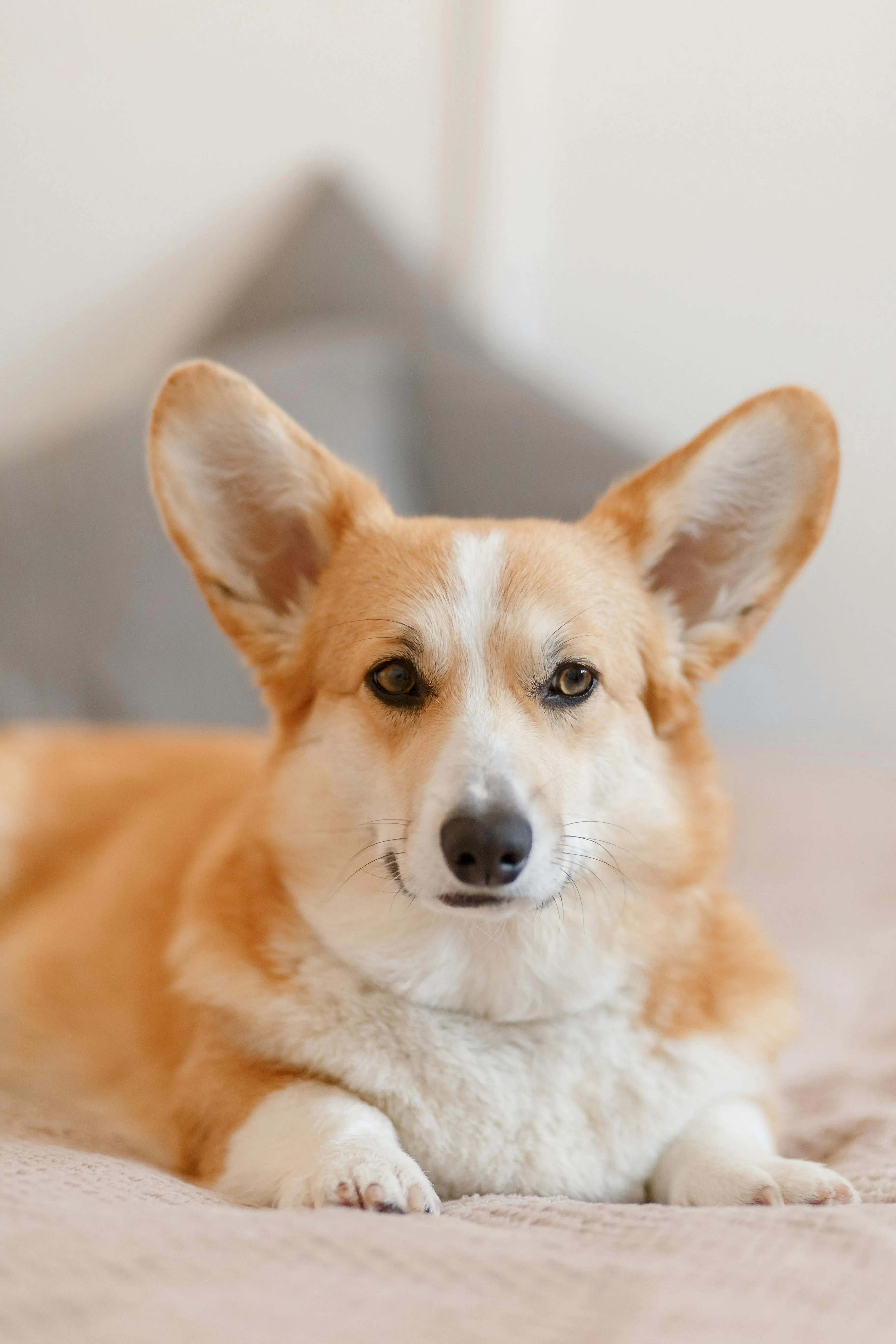
Personality
Trainability
Need for exercise
Suitable for families
Suitable as a beginner dog
Average health
Affection for people
The Personality and Behavior of a Welsh Corgi
Welsh Corgis are intelligent, courageous, and loyal companions with a strong sense of self-confidence. Despite their short legs, they are extremely active and energetic, a trait stemming from their heritage as herding dogs. As a result, they are alert and playful, but can also be stubborn and prone to barking. Corgis therefore require consistent training as well as plenty of exercise and mental stimulation. Due to their friendly nature and playfulness, they are very family-oriented, fond of children, and loyal. However, children should be somewhat older, as the Corgi may tend to herd due to its strong herding instinct. With clear rules and consistent training, however, this behavior can be easily controlled.
Training and Raising a Welsh Corgi
These intelligent but headstrong herding dogs learn quickly and require consistent yet loving training, which should begin when they are still puppies. Corgis need plenty of exercise as well as sufficient physical and mental stimulation. To overcome their stubbornness, training with praise and treats is particularly effective. Attending a puppy or dog training class is also recommended, as this helps channel their herding instinct in a constructive way while allowing the Corgis to learn how to interact with other dogs and people.
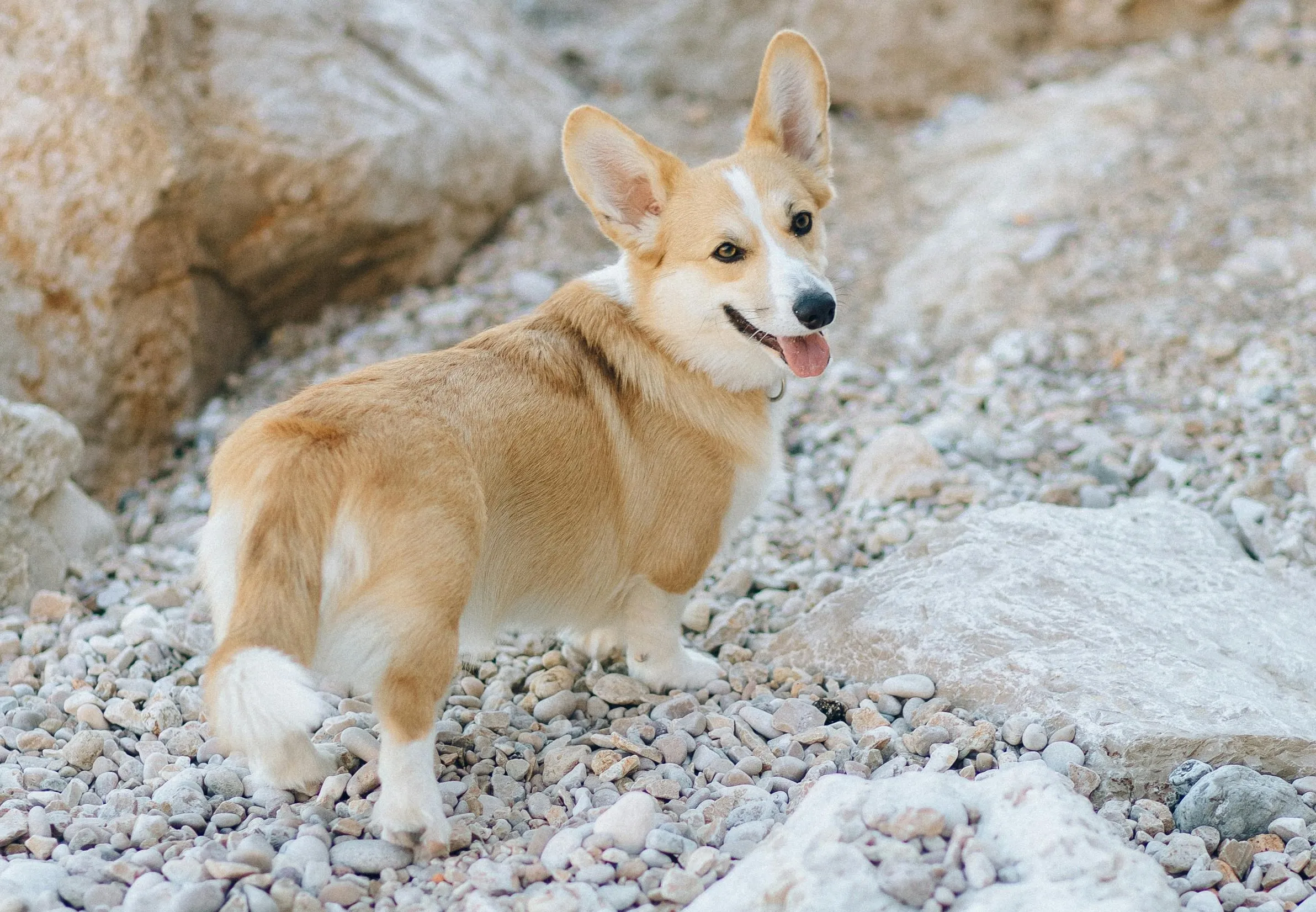
Is the Welsh Corgi a family dog?
The Corgi is a lively, playful, and affectionate dog and makes an excellent family pet. Since it is very active, it needs plenty of exercise and mental stimulation. Due to its headstrong and stubborn nature—and its history as a herding dog—it requires consistent training. Children in the family should be a bit older and know how to set clear boundaries for the Corgi. The loyal Corgi feels most at home when it is firmly integrated into family life and is not left alone.
Do Welsh Corgis get along with other dogs?
The Welsh Corgi is a friendly, sociable, and active dog that loves to play with other dogs. However, it pays little attention to their size and often comes across as a loud, spirited companion. It may initially be wary of unfamiliar dogs and bark at them, but once it gets to know them, it becomes very friendly. However, the Corgi can sometimes seem too boisterous to timid dogs, as it romps around full of energy while playing.
Perfect protection for your furry friend—just the way you want it!
Get the right coverage for your Welsh Corgi in just a few clicks. No age restrictions, easy reimbursement of vet bills, and 24/7 online veterinary advice.
How big and heavy does a Welsh Corgi get?
This medium-sized, sturdy dog with short legs varies in weight and size depending on breed and gender:
Shoulder height: approx. 25–30 cm
Weight:
- Welsh Corgi Pembroke: approx. 9–11 kg
- Welsh Corgi Cardigan: approx. 15–18 kg
Affection for people
Welsh Corgis are very loyal, people-oriented, and affectionate companions. They form a very close bond with their owners and love to be by their side wherever they go. Their affection is evident in their constant closeness, their nudges to play, and their joyful greetings. These friendly dogs also love to sleep with family members and need plenty of attention. Corgis are open and cheerful even toward strangers.
Welsh Corgi Grooming and Hygiene
Corgis have a low-maintenance but dense coat with a thick undercoat. Ideally, their coat should be thoroughly brushed once or twice a week to remove loose hair. During shedding season, more frequent brushing is recommended. To protect their skin, Corgis should only be bathed when they are very dirty—preferably with a mild dog shampoo.
What is the life expectancy of a Welsh Corgi?
The life expectancy of Welsh Corgis is approximately 12–15 years. With proper care, a healthy diet, and regular veterinary checkups, they can lead long and happy lives.
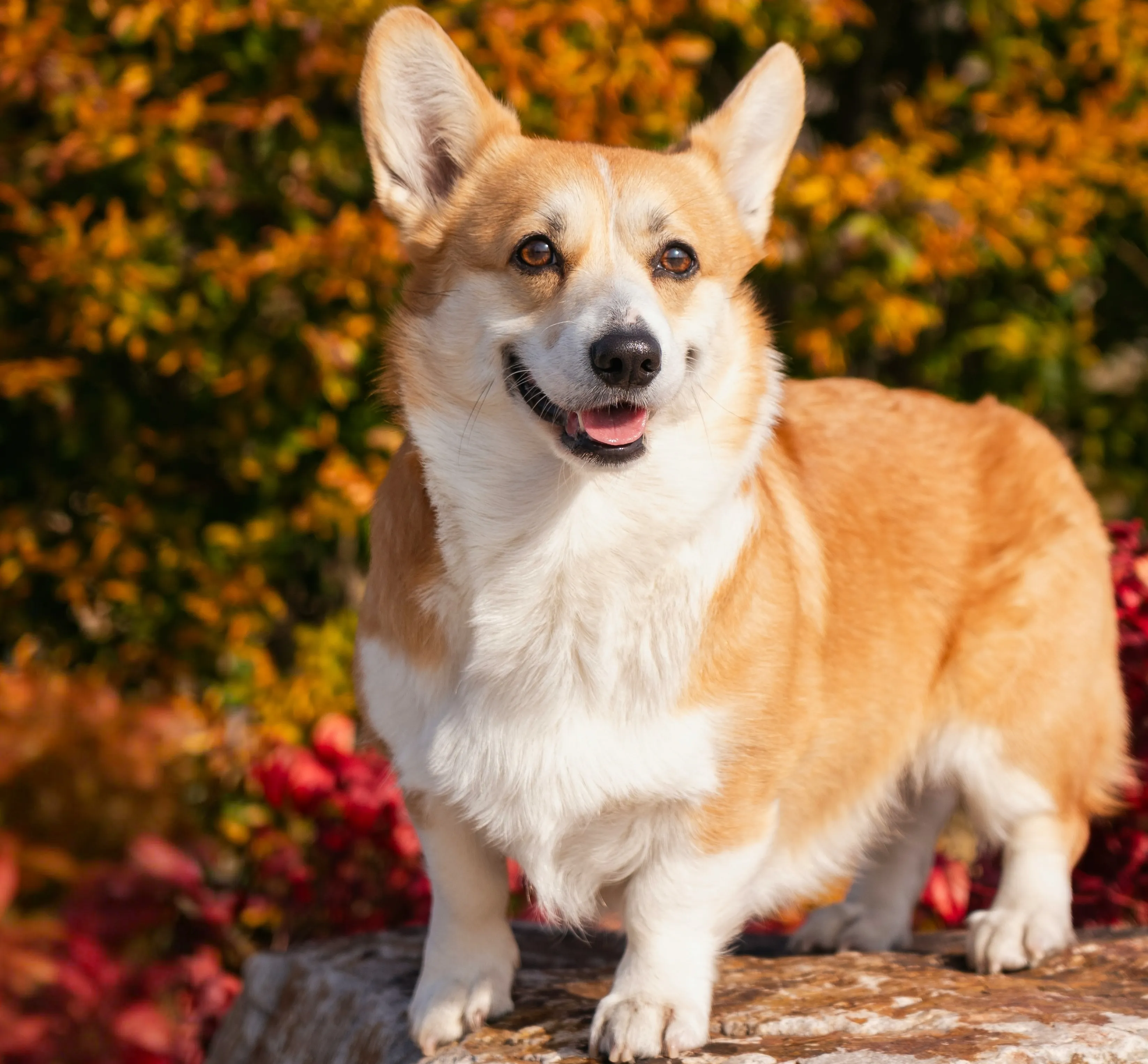
What are some common health issues in Welsh Corgis?
Corgis are considered fairly hardy dogs, but due to their unique build, certain health issues can arise. These include herniated discs, as well as joint disorders such as hip dysplasia. Eye diseases and neurological conditions can also be hereditary. It is particularly important to ensure that Corgis do not become overweight. Regular checkups at the vet help identify potential health issues early on and treat them in a timely manner.
How much does a Welsh Corgi cost?
The Welsh Corgi, whether Cardigan or Pembroke, is a relatively rare breed in Switzerland. As a result, the cost of a puppy ranges from approximately CHF to CHF .
Welsh Corgi Dog Insurance
Due to its physical build, the Corgi is prone to health issues, so it is advisable to purchase pet insurance. Pet insurance helps offset high veterinary costs and ensures that your dog receives the best possible medical care in an emergency, without having to worry about the financial implications.
Learn more about Welsh Corgi pet insurance here.


