

Border Terrier
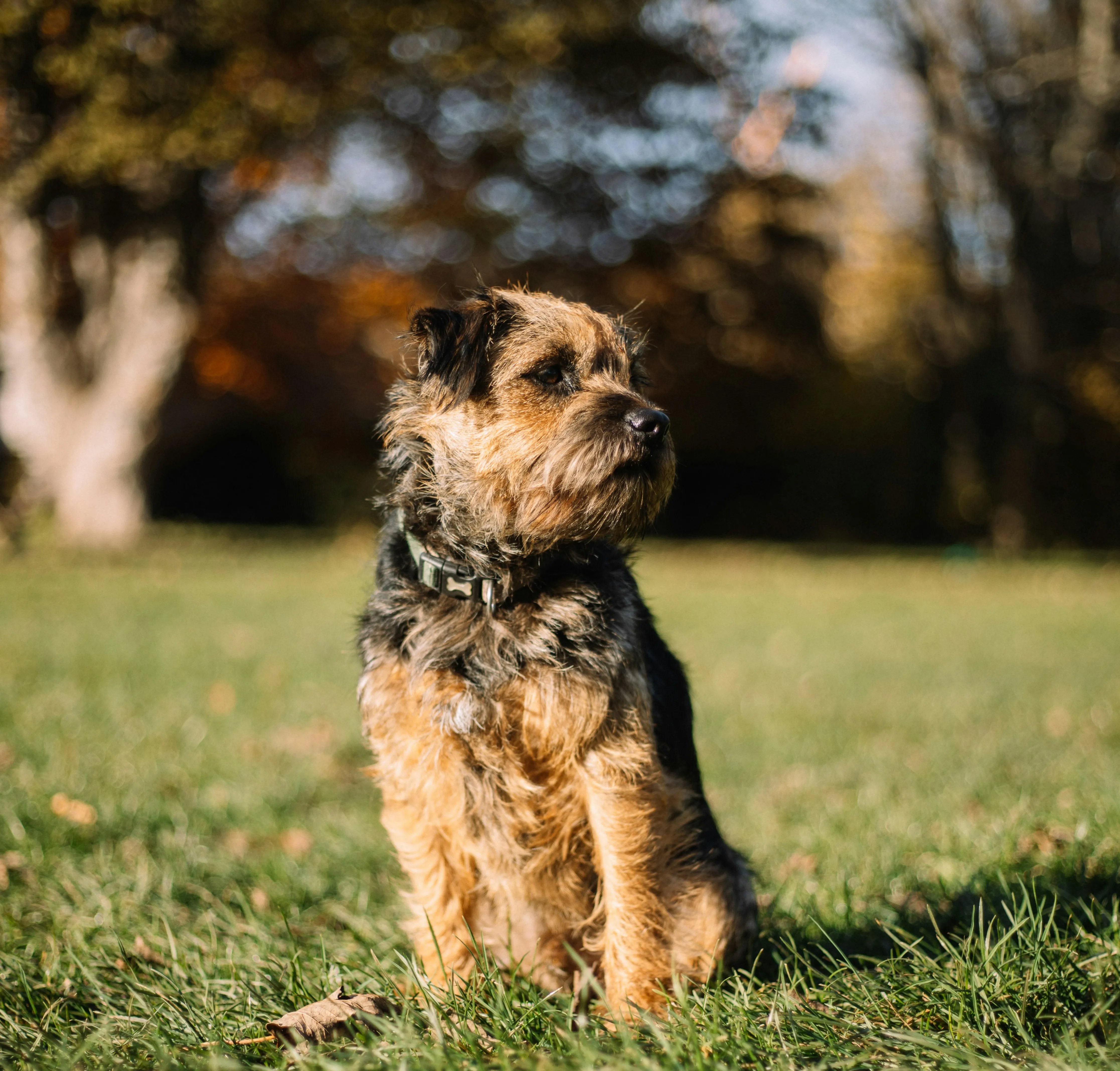
The Border Terrier is a small, robust, and friendly dog from Great Britain. It was originally bred as a hunting dog, primarily for working in fox dens. Despite its origins as a working dog, it is now a popular family and companion dog. Its even temperament, affectionate nature, and adaptability make it a pleasant everyday companion.

Terrier
.webp)
12 - 15 years

10–11 inches

5 - 7 kg
Personality
Trainability
Need for exercise
Suitable for families
Suitable as a beginner dog
Average health
Affection for people
Character and behavior of a Border Terrier
Border Terriers are friendly, lively, and courageous dogs. They are curious, alert, and yet usually more balanced than many other terriers. In everyday life, they are affectionate and people-oriented without being overexcited. Outdoors, their hunting instinct comes to the fore, especially with small animals, while indoors they are calm and relaxed if they get enough exercise.
Training and raising a Border Terrier
The Border Terrier is intelligent and enjoys learning, but also has a certain independence. With patience, clear rules, and positive reinforcement, good training results can be achieved. Training methods that are too harsh or strict are unsuitable, as they can unsettle the dog. A well-trained recall is particularly important, as the dog's hunting instinct should not be underestimated when outdoors. Variety in training keeps them motivated.
Is the Border Terrier a family dog?
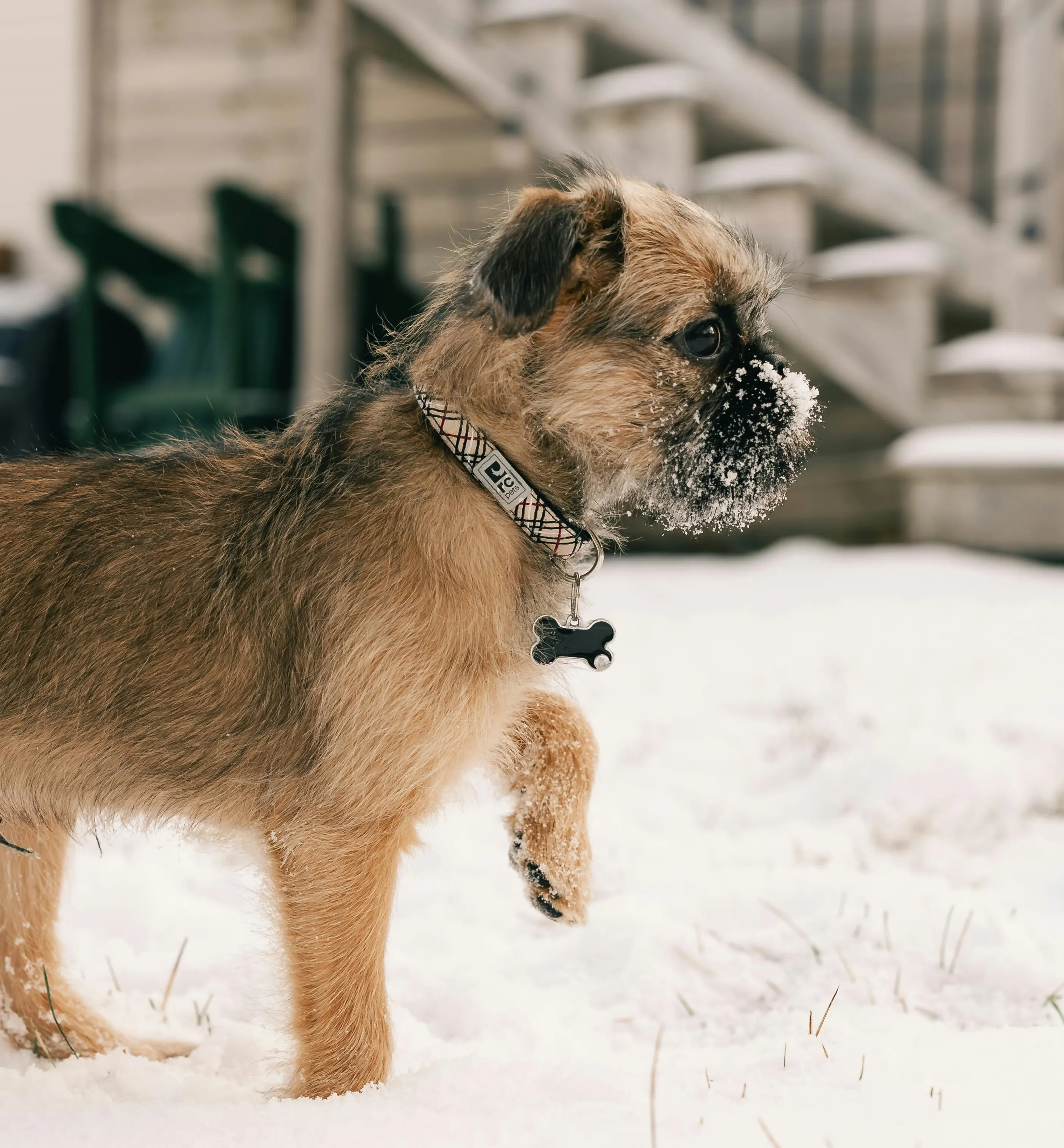
Yes, the Border Terrier is well suited as a family dog. It is friendly, playful, and usually patient with children if they treat it with respect. It loves contact with its humans and enjoys being part of family life. Due to its adaptability, it is suitable for both families and individuals who have time for it.
Do Border Terriers get along with other dogs?
Border Terriers are generally well-socialized and get along better with other dogs than many other terriers. However, early socialization is important to promote confident behavior. They can live harmoniously with other pets if they are accustomed to them at an early age, although their hunting instinct should always be taken into account.
Ready for the next adventure?
Create the right protection for your Border Terrier in just a few clicks. No age restrictions, easy reimbursement of veterinary bills, 24/7 online veterinary advice.
How big and heavy does a Border Terrier get?
The Border Terrier is a small, compact dog with a strong build.
Shoulder height:
Between 25 and 28 cm
Weight:
Weighs between 5 and 7 kg
Despite its small size, it is persistent, energetic, and very robust. Regular walks and activities are important to keep it physically and mentally stimulated.
Affection for people
Border Terriers are very people-oriented and affectionate. They enjoy shared activities, closeness, and attention, but are not overly intrusive. They form close bonds with their family and enjoy accompanying their humans in everyday life.
Coat care and hygiene for a Border Terrier
The wiry coat of the Border Terrier is easy to care for. Brushing once a week is usually sufficient. In addition, the coat should be trimmed regularly to keep it healthy. Ears, eyes, teeth, and claws should also be checked regularly to detect any problems early on.
What is the life expectancy of a Border Terrier?
The average life expectancy is around 12 to 15 years. With good care, a balanced diet, sufficient exercise, and regular visits to the vet, Border Terriers can enjoy a long and healthy life.

What are the most common health problems in Border Terriers?
The Border Terrier is considered a robust breed, but the following problems can still occur:
- Hip dysplasia (HD): A malformation of the hip joint in which the femoral head and acetabulum do not fit together optimally, which can lead to pain and restricted movement.
- Heart disease: Diseases of the heart that impair heart function and often only become apparent in old age.
- Epilepsy: A neurological disorder characterized by recurrent seizures, which can vary in severity.
- Patellar luxation: A displacement of the kneecap from its normal position, which can cause lameness, pain, or restricted movement.
- Dental problems: Diseases of the teeth and gums, such as tartar or inflammation, which are particularly common in small dog breeds.
Regular veterinary checkups and responsible breeding help to minimize these risks.
Price of a Border Terrier
In Switzerland, a Border Terrier puppy from a reputable breeder typically costs between CHF and CHF . In addition, there are ongoing expenses for food, veterinary care, grooming, supplies, and enrichment activities.
Border Terrier Dog Insurance
Dog insurance is also a good idea for Border Terriers. Although they are considered a robust breed, veterinary costs can quickly mount up in the event of illness or accidents. Suitable insurance provides financial security and ensures that your dog can be well cared for at all times.
Here you can find out more about Border Terrier dog insurance.


