

Turkish Angora
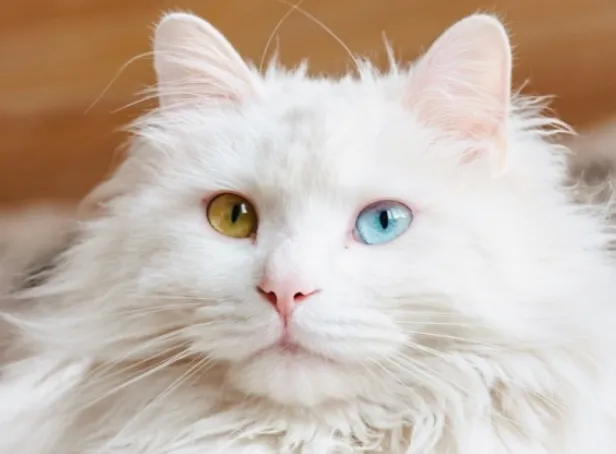
The Turkish Angora is an ancient, elegant cat breed that originated in Turkey. It is known for its silky coat, slender build, and alert, intelligent eyes. These cats are lively, curious, and very people-oriented. They are well suited to active people, families, or individuals looking for a playful and affectionate cat.

Turkish Angora
.webp)
13-18 years old

10–12 inches

3–5 kg
Personality
Suitable for beginner cats
Average health
Affection for people
Physical activity
Character and behavior
TheTurkish Angora is very active, playful, and curious. It loves to explore everything, jump on cabinets, or follow its owner around the house. This cat always wants to be involved and does not like to be left alone for long periods of time. It is intelligent and learns quickly, for example, little tricks or how to open doors. Despite its energy, it is very affectionate and seeks a lot of closeness. It gets along well with children and other pets, but needs enough activity, otherwise it can quickly become bored.
Coat care and hygiene
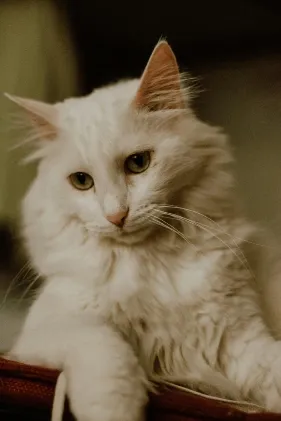
TheTurkish Angora's coatis long, very fine, and has hardly any undercoat, which means it mats less than other long-haired cats. Brushing once a week is usually enough to remove loose hair and keep the coat looking beautiful. During the shedding season, it may be necessary to brush a little more frequently. The cat grooms itself very thoroughly, but its ears, eyes, and claws should still be checked regularly. Clean litter boxes and fresh water are particularly important for this clean breed.
Size and weight
Turkish Angora cats are medium-sized, slender, and elegantly built. Males usually weigh between 4 and 5 kg, while females are slightly lighter, often weighing 3 to 4 kg. Despite their delicate appearance, they are very strong and agile. They jump high, enjoy climbing, and need space to romp around. Scratching posts, shelves, or climbing opportunities are ideal for them to burn off their energy, even if they live in an apartment.
Fluffy, nimble, secure
More playtime, fewer worries: protect your Turkish Angora with fast reimbursement of veterinary costs and 24/7 online advice.
Affection for people
This breed is extremely people-oriented and constantly seeks contact. Turkish Angoras like to cuddle, sleep close to their owners, and actively demand attention. Many cats talk a lot and meow to communicate. They often form a particularly close bond with one person, but are also friendly towards other people. They do not particularly like being alone, which is why they are well suited to households where someone is often at home or where there is a second cat.
life expectancy
The Turkish Angora has a relatively high life expectancy of around 13 to 18 years. With good care, high-quality food, and regular visits to the vet, many cats remain healthy and active for a long time. They often retain their playful character even in old age. Mental stimulation, playtime, and exercise help them to stay physically and mentally fit and feel good.
Frequent health problems
The Turkish Angora is generally considered a healthy and resilient cat, but can have some problems:
Deafness: Congenital deafness can occur, especially in completely white cats with blue eyes.
Hypertrophic cardiomyopathy (HCM): A heart condition in which the heart muscle thickens, which can lead to breathing problems or fatigue.
Ataxia: A rare neurological disorder that occurs in young cats and causes problems with coordination and balance.
Dental problems: Tartar or gum inflammation can cause pain and make eating difficult.
Gastrointestinal sensitivity: Some Turkish Angoras are sensitive to food and may experience diarrhea or vomiting.
Regular visits to the veterinarian, a good diet, and adequate care help to identify or prevent these problems early on.
Price
Turkish Angora cats are among the more expensive breeds. In Switzerland, prices typically range from 1,200 to 2,200 CHF, depending on the breeder, pedigree, and coat color. Reputable breeders prioritize health, proper socialization, and species-appropriate care. Additionally, you should budget for ongoing expenses such as food, veterinary care, grooming, toys, and accessories. Anyone who chooses this breed will gain a very loyal, active, and intelligent companion.
Cat insurance
Cat insurance is a good idea for Turkish Angoras, as heart disease, dental problems, and neurological disorders can result in high veterinary costs. Insurance covers costs in the event of illness or accident and provides financial security. Many policies also cover vaccinations, preventive checkups, and dental care. Especially for active cats


