

Siberian cat
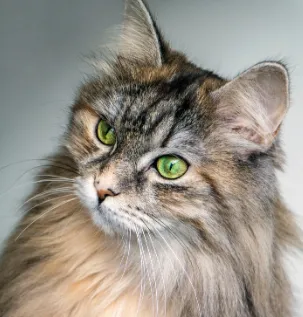
The Siberian cat is a strong, medium-sized to large cat breed from Russia, more specifically from the forests of Siberia. It is particularly notable for its thick, long coat and comes in many colors and patterns. Siberian cats are very adaptable: they feel at home in apartments, houses with gardens, or as outdoor cats. They are playful, curious, and affectionate, but also independent, making them suitable for many households.

Siberian cat
.webp)
12–16 years

30–35 cm

4–8 kg
Personality
Suitable for beginner cats
Average health
Affection for people
Physical activity
Character and behavior
Siberian cats are very friendly, curious, and playful. They love to climb, play, and enjoy entertaining themselves with toys. They are very people-oriented, follow their owners around the house, and let you know when they want attention by meowing or giving headbutts. Siberian cats are intelligent and quickly learn tricks or simple games. At the same time, however, they are calm and balanced enough to lie down and relax. They adapt well to families, children, and other pets, as long as they have enough space and activities to keep them occupied.
Coat care and hygiene
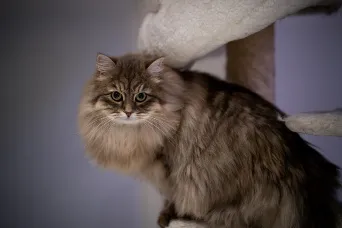
The Siberian cat’s coat is long, dense, and plush, almost water-repellent, and ideal for cold climates. Regular brushing, about two to three times a week, helps prevent matting and remove loose hair. Additional grooming may be necessary during shedding season. Siberian cats are naturally clean and groom themselves, but their claws, ears, and eyes should still be checked regularly to prevent infections. Their coat shines especially beautifully with a balanced diet, plenty of exercise, and sunlight.
Size and weight
Siberian cats are medium to large in size and have a muscular, sturdy build. Males typically weigh 5–8 kg, while females weigh 4–6 kg. Their broad chest, strong shoulders, and thick coat give them a particularly impressive appearance. Despite their size, they are agile and active, enjoy jumping, and climb with ease. They need plenty of space to move around, but they also feel at home in an apartment if they have enough activities and opportunities to climb.
Siberian charm – safely protected
Your playful Siberian cat – get the best coverage with easy reimbursement and 24/7 online veterinary service.
Affection for people
Siberian cats are very affectionate and people-oriented. They seek closeness, love to cuddle, and follow their owners around the house. At the same time, however, they aren’t pushy and know when they need some peace and quiet. Many Siberian cats are playful and communicative, showing affection by meowing, giving headbutts, or cuddling on your lap. They get along well with children and other pets, as long as they have places to retreat to. Their social yet balanced nature makes them ideal companions for active households.
life expectancy
Siberian cats have an average life expectancy of 12 to 16 years. With a healthy diet, regular vet visits, and plenty of exercise, they stay fit for a long time. They are known for remaining playful, curious, and active even in their later years. Climbing structures, toys, and interaction with their owners help maintain their physical and mental health.
Frequent health problems
Siberian cats are considered hardy, but they can still experience certain health issues:
Hypertrophic cardiomyopathy (HCM): thickening of the heart muscle, which can lead to fatigue or breathing difficulties.
Obesity: If you don't get enough exercise or eat too much, it can put a strain on your joints.
Dental problems: Tartar or gum inflammation can cause pain or make it difficult to eat.
Allergies: Some Siberian cats are sensitive to certain foods or environmental factors.
Regular veterinary checkups, a balanced diet, and plenty of exercise can help prevent these problems or detect them early.
Price
Siberian cats are not the cheapest cats. In Switzerland, depending on the breeder, coat color, and pedigree, they usually cost between 1,200 and 2,500 CHF. Reputable breeders prioritize health, socialization, and species-appropriate care. On top of that, there are ongoing costs for food, veterinary care, toys, and supplies. Despite the costs, the Siberian cat is a long-lived, loving, and loyal companion.
Cat insurance
Cat insurance is a good idea for Siberian cats, as they are prone to heart and dental problems. It covers costs in the event of illness or accident and provides financial security. Many insurance plans also include preventive checkups, vaccinations, and dental care, which is especially useful for active, curious cats.


