

Savannah
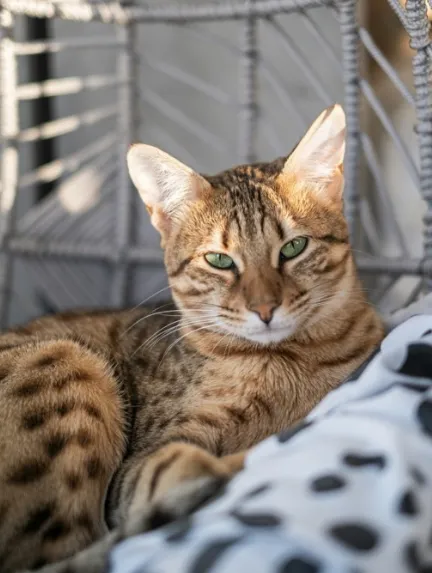
The Savannah is a truly striking cat breed that immediately catches the eye with its spotted coat and slender figure. It was created by crossing domestic cats with African serval cats and looks almost a little wild, but is very cuddly. Savannahs are curious, clever, and always on a journey of discovery. They are suitable for apartments, houses with gardens, or as outdoor cats, as long as they are kept safe. If you want an active, playful cat that also loves closeness, a Savannah is the right choice for you.

Savannah
.webp)
12-20 years

14–18 inches

4–9 kg
Personality
Suitable for beginner cats
Average health
Affection for people
Physical activity
Character and behavior
Savannahs are real bundles of energy. They love climbing, jumping, and anything that can be caught or moved. Many Savannahs even enjoy water and like to splash around in shallow water bowls or sinks. They are very people-oriented, form close bonds with their owners, but at the same time remain independent enough to play on their own. They learn tricks quickly, enjoy fetching and love to be kept busy – you'll never get bored with them around.
Coat care and hygiene
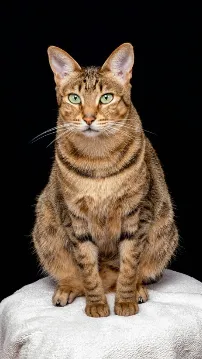
The Savannah's coat is short to medium length, silky, and dense, so it requires little grooming. Brushing once or twice a week is enough to remove loose hair and keep the coat shiny. During the shedding season, you can brush them a little more often. Savannahs groom themselves very thoroughly, but you should still check their claws from time to time and keep their ears clean. With a good diet and enough exercise, their coat will shine beautifully.
Size and weight
Savannahs are medium to large in size, very slender, and elegant. Males usually weigh 13 to 20 pounds, females 8 to 16 pounds. Their long legs and slender bodies make them very agile and athletic. They are excellent jumpers, climbers, and runners. That's why they need plenty of space to play. If you are looking for a quiet cat, you should be aware that Savannahs like to be active and need stimulation.
Is your little whirlwind safe on the road?
So that your little leopard is well protected at all times – quickly calculated, easily taken out.
Affection for people
Savannahs love closeness and attention, but are not intrusive. They like to cuddle, follow their humans around the house, and let them know when they want something by meowing or nudging them with their heads. Some Savannahs are very cuddly, others more headstrong, but all enjoy playing together and being petted. They get along well with children or other pets as long as they have their rest periods. If you want an active, loyal, and loving cat, you will find a great companion in the Savannah.
life expectancy
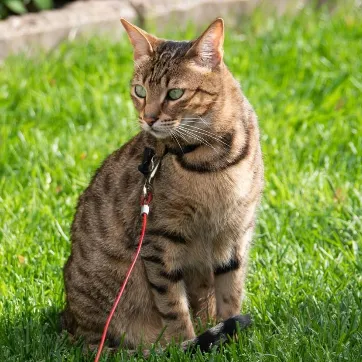
Savannahs can live to a ripe old age – often 12 to 20 years. With a good diet, sufficient exercise, and regular visits to the vet, they remain fit and healthy for a long time. Their intelligence and curiosity ensure that they remain playful even in old age. Climbing opportunities, toys, and sufficient space are particularly important to keep them physically and mentally stimulated.
Frequent health problems
Savannahs are considered to be robust cats, but they do have some potential problems:
Hypertrophic cardiomyopathy (HCM): The heart can thicken and beat less strongly. Signs include fatigue or breathing problems.
Overweight: If they don't play enough or eat too much, Savannahs can become overweight, which puts strain on their joints.
Urinary tract disorders: Problems with the bladder or urethra, recognizable by frequent or painful urination.
Dental problems: Tartar or gum inflammation can cause pain or eating problems.
Regular visits to the veterinarian, sufficient exercise, and a healthy diet help to prevent these problems.
Price
Savannahs are quite expensive, especially the first generations resulting from serval crossbreeds. In Switzerland, they cost between 3,000 and 8,000 CHF, depending on the breeder, generation, and coat color. Reputable breeders ensure that the cats are healthy, socialized, and raised in a manner appropriate to their species. You should also budget for ongoing expenses such as food, veterinary care, and enrichment activities. Those willing to put in the care will be rewarded with a long-lived, loyal, and fascinating cat.
Cat insurance
Cat insurance for Savannahs is very sensible, as they can suffer from heart problems or urinary tract diseases . It covers costs in the event of illness or accident and provides financial security. Many insurance companies also offer preventive checkups, vaccinations, and dental care, which is particularly useful for active cats.


