

European Shorthair
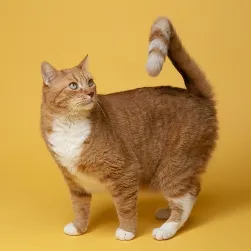
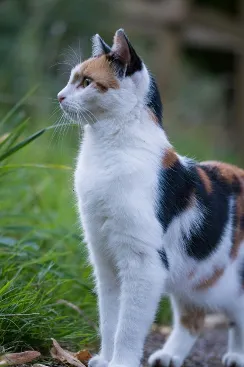
The European Shorthair is a natural and very common cat breed in Europe. It is considered robust, friendly, and adaptable. These cats come in almost every color and pattern. The European Shorthair is considered a true all-rounder, as it is equally suited to life on a farm, as an outdoor cat, or as an indoor cat, and adapts easily to different living situations.

European Shorthair
.webp)
14–18 years old

10–12 inches

3–6 kg

Personality
Suitable for beginner cats
Average health
Affection for people
Physical activity
Character and behavior
European Shorthair cats are friendly, even-tempered, and curious. They are neither too calm nor too boisterous and are considered very adaptable. Many of these cats enjoy playing, chasing insects, or observing their surroundings, but they don’t need constant stimulation. They do well on their own but also enjoy spending time with their owners. Their personalities can vary, as this is a natural breed. Some are cuddly, others more independent, but overall they are very easygoing and well-suited to everyday life.
Coat care and hygiene
The European Shorthair’s short, dense coat is very low-maintenance. As a rule, brushing the cat once a week is sufficient to remove loose hair and maintain its natural sheen. During shedding season, brushing a bit more frequently may be advisable. These cats groom themselves very thoroughly. Nevertheless, their claws should be checked regularly and trimmed as needed. Their ears should also be kept clean to prevent infections.
Size and weight
European Shorthair cats are medium-sized and have a sturdy but not heavy build. They appear well-balanced and naturally proportioned. Adult cats typically weigh between 3 and 6 kg, with males often being slightly heavier than females. Thanks to their well-developed musculature, they are agile and fit without appearing particularly athletic or sluggish.
Affection for people
These cats show a pleasant and balanced affection toward people. They enjoy being close to their owners without constantly demanding attention. Many European Shorthair cats love to cuddle, lie near their owners, or follow them around the house. They usually get along well with children and other pets. They are often friendly and unafraid of strangers, which makes them wonderful family cats.
Durable, playful, fully protected
Protect your European Shorthair with just a few clicks. Flexible coverage, fast reimbursement of vet bills, and 24/7 online advice—so you have more time for play, cuddles, and adventures.
life expectancy
The European Shorthair has a long life expectancy of about 14 to 18 years. With proper care, a balanced diet, and regular visits to the vet, they can enjoy a long and healthy life. Exercise, play, and a stable environment help them stay fit well into old age.
Frequent health problems
The European Shorthair is considered a very hardy breed, but some health issues can still arise:
Dental problems: tartar or gum inflammation
Overweight: Due to lack of exercise or poor diet
Parasites: For example, fleas, ticks, or worms
Genetic disorders: Very rare, as it is a natural breed
Regular checkups at the vet help detect health problems early on.
Price
European Shorthair cats are more affordable than many purebred cats. Depending on their background, they typically cost between 100 and 500 CHF, and are often even cheaper at animal shelters. Many of these cats come from private litters or animal welfare organizations. Despite their low price, they make healthy and loyal companions. Additionally, you should budget for ongoing expenses such as food, veterinary care, and supplies.
Cat insurance
Even for a healthy European Shorthair, cat insurance can be a good idea. It helps cover unexpected veterinary costs in the event of illness or an accident. Insurance can provide peace of mind, especially for outdoor cats. Many insurance plans also cover vaccinations and preventive care, which can save money in the long run.


