

American Curl
The American Curl is a unique and friendly cat breed that immediately stands out due to its backward-curling ears. This unusual ear shape originated in the United States in the 1980s as a result of a natural genetic mutation. Despite its striking appearance, the American Curl is best known for its affectionate, even-tempered nature. It is considered playful, people-oriented, and very adaptable. This breed is well suited to families, individuals, and households with other animals. Its open nature and gentle character make it a pleasant and loyal companion.

American Curl
.webp)
13–18 years

20-30 cm

3–6 kg
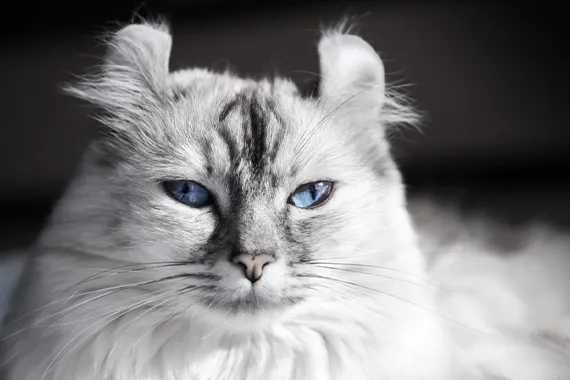
Personality
Suitable for beginner cats
Average health
Affection for people
Physical activity
Character and behavior
American Curls are friendly, curious, and very social cats. They love spending time with their humans without being intrusive. They are often described as "eternal kittens" because they retain their playful nature into old age. They enjoy playing, exploring their surroundings, and taking an interest in everyday life. Their voice is usually quiet and gentle. American Curls are intelligent, quick learners, and enjoy interactive games that challenge them mentally. They cope well with change and are considered to be very well-balanced.
Coat care and hygiene
The American Curl's coat is easy to care for, whether short or medium length. Brushing once a week is usually sufficient to remove loose hair and keep the coat shiny. During the shedding season, more frequent brushing may be necessary. It is particularly important to care for their ears. Due to their curved shape, they should be checked regularly and cleaned carefully to prevent dirt or inflammation. As with all cats, their claws, teeth, and eyes should also be checked regularly to maintain their long-term health.
Size and weight
American Curls are medium-sized cats with a balanced, slightly muscular build. They appear elegant and agile without being very strong or massive. Males usually weigh between 4 and 6 kg, females around 3 to 5 kg. Their bodies are well-proportioned, with slender, sturdy legs. They enjoy climbing, but do not require extreme heights. A sturdy scratching post, a few raised resting places, and sufficient space to play are ideal for satisfying their urge to move.
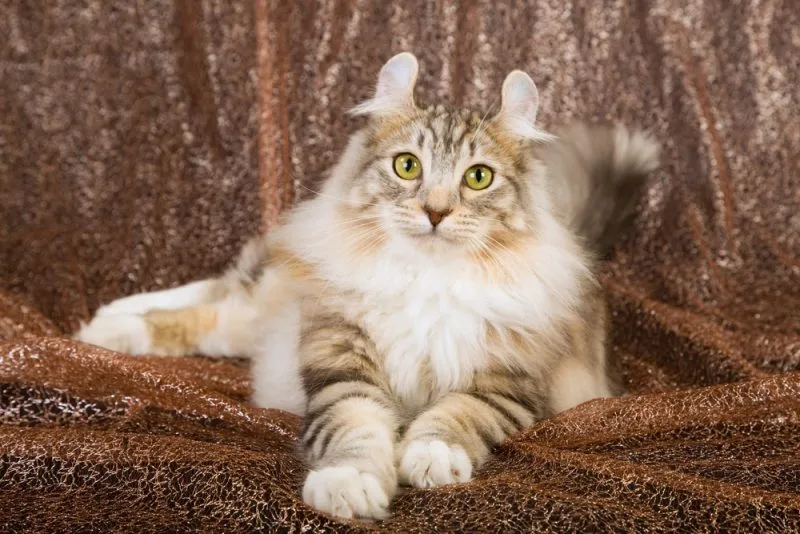
Affection for people
The American Curl is very people-oriented and actively seeks closeness to its caregivers. It likes to cuddle, often lies close to its humans, and accompanies them through everyday life. It is affectionate but not demanding. These cats are patient, friendly, and usually get along very well with children. They also get along well with other cats or calm dogs. Their social and open nature makes them ideal family cats and loving companions for people of all ages.
life expectancy
American Curls have a good life expectancy of around 13 to 18 years. With a balanced diet, regular vet check-ups, and sufficient exercise, they can lead a long and healthy life. They benefit from a stable environment, fixed routines, and plenty of social contact. As they are very adaptable, they cope well with change as long as they receive enough attention and affection.
Cat insurance
Cat insurance is also recommended for American Curls. It protects against high costs in the event of illness or accident and provides financial security. Many insurance companies offer additional services such as preventive checkups or vaccinations. Especially with a long-lived and people-oriented breed such as the American Curl, insurance can make everyday life more relaxed and ensure optimal medical care.
Playful ears, carefree everyday life?
Create the right protection for your American Curl in just a few clicks. No age restrictions, easy reimbursement of veterinary bills, and 24/7 online veterinary advice.
Frequent health problems
American Curls are generally considered to be robust cats. The ear mutation does not usually cause any health problems if the ears are well cared for. However, the following issues may occur:
- Ear infections: Due to the special shape of the ear and insufficient care.
- Dental problems: Tartar and gum inflammation are possible.
- Overweight: Due to insufficient exercise and poor nutrition.
Regular check-ups, good ear care, and a balanced diet help to identify and avoid health risks at an early stage.
Price
American Curls are considered a mid- to high-priced cat breed. In Switzerland, the purchase price typically ranges from 1,000 to 2,000 CHF, depending on the breeder, pedigree, and coat type. Reputable breeders ensure that the cats have healthy ears, are well-socialized, and are raised in a manner appropriate to their species. In addition to the purchase price, you should budget for ongoing expenses such as food, veterinary care, grooming, toys, and supplies.


